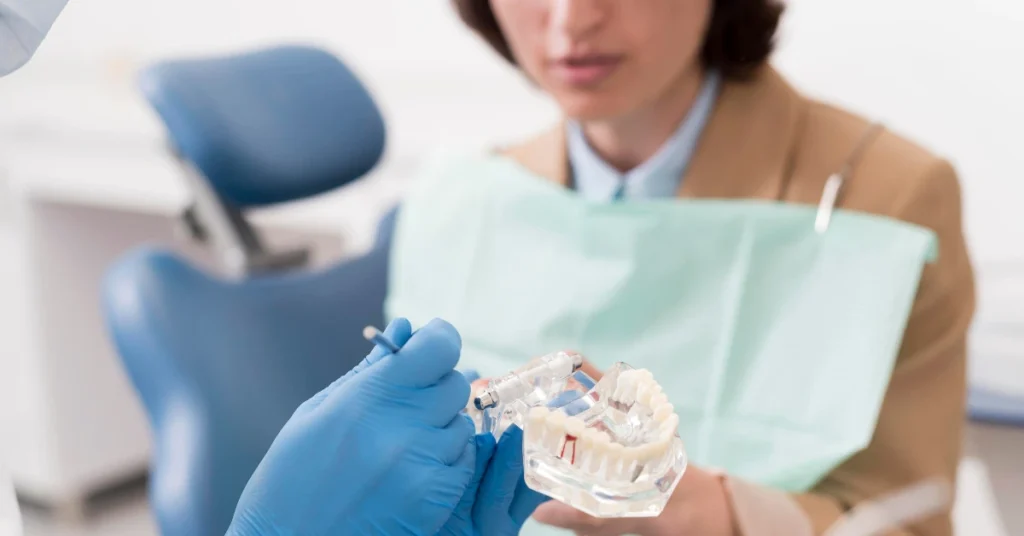
Last month, I sat across from a 58-year-old teacher who’d been battling gum disease for years. Her teeth were loose, her gums were inflamed, and she was in constant discomfort. “Dr. Hendrickson,” she said, leaning forward with hope in her eyes, “if I just get dentures, will that finally stop this gum disease from getting worse?”
I see this question in my practice almost daily. Patients suffering from periodontal disease often view dentures as their escape route – a way to finally end years of pain, bleeding gums, and expensive treatments.
But here’s what I told this patient and what I want every patient to understand: Getting dentures does not cure gum disease, but it can stop its progression by removing the infected teeth that harbor the bacteria causing the disease.
The relationship between custom denture solutions and gum disease is more complex than most people realize. While dentures themselves don’t treat the underlying infection, they represent a fresh start for your oral health – if approached correctly.
After placing thousands of implants and working with countless denture patients over the past two decades, I’ve learned that success depends entirely on understanding what you’re really treating and what comes next.
The Hard Truth About Dentures and Gum Disease
Many patients arrive at my office believing that dentures are a magical solution to their gum disease problems. I understand this hope – when you’ve been dealing with painful, bleeding gums and loose teeth for months or years, the idea of removing everything and starting fresh sounds incredibly appealing.
But let me share what I’ve observed in my practice: dentures alone don’t cure gum disease because gum disease is a bacterial infection that affects your entire mouth, not just your teeth. When we remove your natural teeth to place dentures, we’re eliminating the primary source where bacteria accumulate and cause damage.
However, the underlying conditions that allowed gum disease to develop in the first place – poor oral hygiene habits, certain health conditions, and genetic predisposition – don’t automatically disappear.
Here’s the reality I explain to every patient: think of gum disease like a house fire. Your infected teeth are the burning furniture, and removing them (getting dentures) is like taking the furniture out of the house. The immediate fire stops, but if you don’t address what caused the fire in the first place, you risk future problems.
The most common misconception I encounter is that dentures provide a permanent solution without requiring ongoing care. Patients often tell me, “Once I get dentures, I won’t have to worry about gum problems anymore.” This thinking can lead to serious complications down the road.
What actually happens when you get dentures after having gum disease? The removal of infected teeth eliminates the primary bacterial colonies that are attacking your gum tissue.
Your gums will begin to heal, inflammation will reduce, and the pain associated with active periodontal disease will subside. In this sense, dentures do “stop” gum disease from continuing to damage your natural teeth.
How Gum Disease Actually Works – And Why This Matters for Denture Success
To understand why dentures can help with gum disease, you need to know how periodontal disease develops and progresses. In my experience treating thousands of patients, I’ve found that those who understand the process are far more successful with their treatment outcomes.
Gum disease begins when bacterial plaque accumulates along your gum line. These bacteria produce toxins that irritate your gum tissue, causing inflammation, bleeding, and, eventually, infection.
As the disease progresses, bacteria work their way deeper below the gum line, creating pockets between your teeth and gums. These pockets become perfect breeding grounds for more bacteria, creating a cycle that becomes increasingly difficult to break.
The key insight here is that your natural teeth provide the surface area and hiding places where these bacteria thrive. The roots of your teeth, especially when they become exposed due to gum recession, create numerous nooks and crannies where bacteria can establish colonies that are nearly impossible to clean effectively, even with professional treatment.
When we remove compromised teeth and place dentures, we’re essentially eliminating these bacterial hideouts. The smooth surfaces of well-fitted dentures are much easier to keep clean than natural teeth with deep pockets and exposed roots. This is why many patients experience dramatic improvement in their gum health after transitioning to dentures.
However – and this is crucial – the bacteria that cause gum disease don’t just live on your teeth. They also colonize your tongue, cheeks, and remaining gum tissue. This is why proper denture care and ongoing oral hygiene remain essential even after tooth removal.
I’ve seen patients who got dentures and experienced beautiful healing of their gum tissue, only to develop new problems months later because they didn’t maintain proper oral care routines. The bacteria found new places to accumulate – on their dentures, along their gum line, and on their tongue – eventually leading to denture-related gum irritation and inflammation.
What Really Happens to Your Gums After Getting Dentures
Let me walk you through what I typically observe in patients who transition from advanced gum disease to dentures. Understanding this timeline helps set realistic expectations and explains why dentures can be effective in stopping gum disease progression.
Immediate Period (First 2-4 Weeks)
During the initial healing phase after tooth extraction, your gum tissue begins to recover from the chronic inflammation caused by bacterial infection. Patients often tell me they’re amazed at how quickly the constant ache and sensitivity disappear.
The infected tooth sockets start healing, and the persistent bacterial colonies that are attacking your gum tissue are gone.
However, your gums are still tender and adjusting to the new environment. This is when proper denture fit becomes crucial – ill-fitting dentures can create new sources of irritation that mimic some gum disease symptoms.
Healing Phase (1-3 Months)
This is when I see the most dramatic improvements in gum health. The chronic inflammation subsides, gum tissue color returns to healthy pink instead of the angry red associated with active periodontal disease, and patients report feeling comfortable for the first time in months or years.
Your jawbone also begins the remodeling process during this time. Without tooth roots to maintain bone density, some bone loss is normal and expected. This is why regular denture adjustments are essential – as your bone and gum tissue change shape; your dentures need to be modified to maintain proper fit.
Long-term Adaptation (3+ Months)
After the initial healing period, your new oral environment stabilizes. Patients who maintain proper denture hygiene typically enjoy excellent gum health. The key difference is that instead of trying to clean bacteria from deep pockets around infected tooth roots, you’re now maintaining clean, smooth denture surfaces and healthy gum tissue.
The success stories I see most often involve patients who understand that dentures represent a fresh start, not a maintenance-free solution. Margaret, the teacher I mentioned earlier, followed our post-denture care protocol religiously. Six months later, her gums were healthier than they’d been in years, and she told me, “I wish I’d done this sooner.”
Dentures vs. Dental Implants for Gum Disease Patients
In my practice, I often discuss both dentures and dental implants with patients who have advanced gum disease. Both options can effectively stop the progression of periodontal disease, but they work differently and offer distinct advantages depending on your specific situation.
How Dentures Address Gum Disease
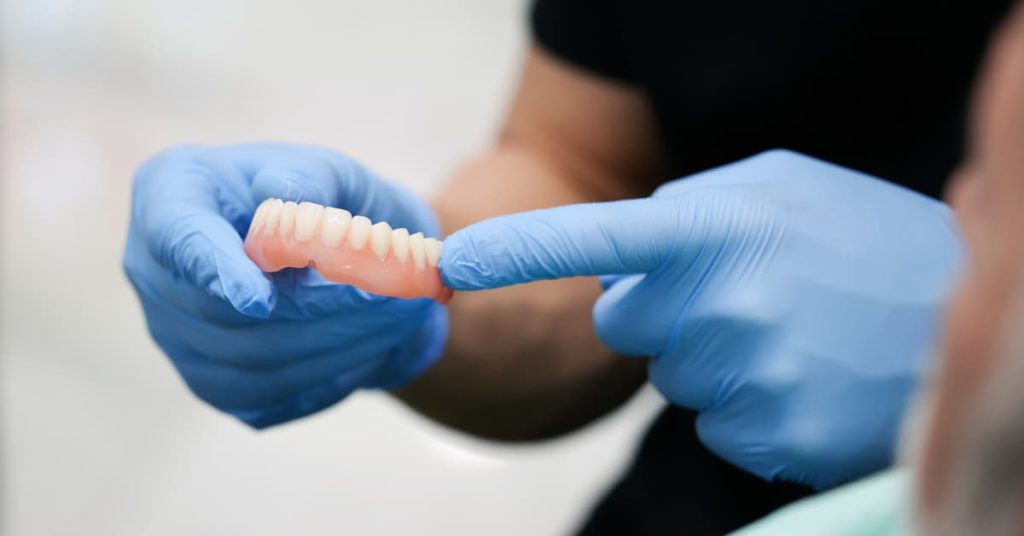
Dentures stop gum disease by removing all the infected teeth that harbor bacteria. Once your natural teeth are gone, the bacterial colonies that were causing active tissue destruction are eliminated. Your gums can heal and return to health, and maintaining clean dentures is generally easier than trying to clean bacteria from deep periodontal pockets.
The main advantages of dentures for gum disease patients include immediate relief from infection, lower upfront costs, and the ability to address multiple problem teeth at once. Many patients also appreciate that the entire process can be completed relatively quickly.
How Dental Implants Address Gum Disease
Dental implants take a different approach. Instead of removing all teeth, we can sometimes save healthy teeth while replacing only the most severely affected ones with implants. For patients with localized gum disease, this allows them to keep their natural teeth while eliminating the bacterial sources causing problems.
Implants also provide ongoing benefits for gum health. Because they’re anchored in your jawbone, they help maintain bone density and provide more stable support for replacement teeth. The maintenance routine for implants is similar to that of natural teeth, which some patients find more familiar and comfortable.
While the initial investment in dental implants requires a higher cost than some other tooth replacement options, many patients find the long-term benefits and durability make them a worthwhile consideration for addressing severe gum disease.
Which Option Works Better for Stopping Gum Disease?
In my experience, both dentures and implants can effectively stop gum disease progression, but the choice depends on several factors:
- Extent of Disease: Patients with widespread, advanced gum disease often benefit most from the comprehensive approach of dentures. When most or all teeth are compromised, removing everything and starting fresh can be the most effective way to eliminate bacterial sources.
- Bone Health: Patients with significant bone loss due to long-term gum disease may not be good candidates for implants without additional procedures. Dentures can work even when bone levels are compromised.
- Overall Health: Some medical conditions or medications that affect healing make implant surgery riskier. Dentures typically involve less invasive procedures.
- Lifestyle Factors: Patients who struggle with consistent oral hygiene may find dentures easier to maintain effectively than implants, which require care similar to natural teeth.
The Critical Steps for Success After Getting Dentures
Getting dentures can indeed stop gum disease from progressing, but your success depends on following the right steps afterward. Based on my years of experience helping patients transition from diseased teeth to healthy dentures, here are the essential elements for long-term success:
1. Proper Denture Fit and Regular Adjustments
Your dentures must fit correctly to avoid creating new sources of gum irritation. As your tissues heal and change shape, regular adjustments ensure continued comfort and gum health. I typically see patients several times during the first few months to make necessary modifications.
2. Establishing Effective Cleaning Routines
Many patients underestimate how important denture hygiene is for gum health. Even though you no longer have natural teeth, bacteria can still accumulate on denture surfaces and irritate your gums. I recommend removing dentures nightly, cleaning them thoroughly, and soaking them in an appropriate solution.
Your gum tissue also needs direct care. Gently massaging your gums with a soft brush or cloth helps maintain circulation and removes any bacteria that might accumulate along the gum line.
3. Managing Underlying Risk Factors
Remember, dentures address the symptoms of gum disease (infected teeth) but don’t automatically eliminate the factors that contributed to the disease initially. If you have diabetes, take medications that affect oral health, or have a genetic predisposition to gum problems, these factors remain relevant even with dentures.
4. Regular Professional Monitoring
Even with dentures, regular dental checkups remain important. I monitor my denture patients for proper fit, tissue health, and any signs of developing problems. Early intervention prevents minor issues from becoming major complications.
When Dentures Might Not Be the Complete Answer
While dentures can effectively stop active gum disease by removing infected teeth, there are situations where additional treatment might be necessary for optimal results.
Persistent Bacterial Infections: Some patients have bacterial infections that extend beyond just the teeth and roots. In these cases, removing teeth and placing dentures addresses the primary problem, but antimicrobial treatment might be needed to fully resolve the infection.
Underlying Medical Conditions: Conditions like diabetes, autoimmune disorders, or certain medications can continue to affect gum health even after getting dentures. These patients need ongoing management of their underlying conditions alongside their denture care.
Bone and Tissue Health Issues: Advanced gum disease often causes significant bone loss and tissue damage. While dentures can stop further disease progression, some patients benefit from additional procedures to rebuild lost tissue or improve denture support.
Your Next Steps: Making an Informed Decision
After two decades of helping patients navigate the relationship between gum disease and tooth replacement options, I can confidently say that dentures can indeed stop gum disease from progressing – but success requires the right approach and realistic expectations.
If you’re considering dentures to address gum disease, here’s what I recommend:
Get a comprehensive evaluation. Understanding the extent of your gum disease, the condition of your remaining teeth, and your overall oral health helps determine whether dentures are the best solution for your specific situation.
Discuss all your options. While dentures can be excellent for stopping gum disease, alternatives like implants or targeted treatments might be appropriate depending on your circumstances.
Plan for the complete process. Success with dentures involves more than just the initial placement. Factor in healing time, adjustment appointments, and the ongoing care routine needed to maintain healthy gums.
Address underlying factors. Work with your healthcare team to manage any medical conditions or lifestyle factors that contributed to your gum disease initially.
Will Getting Dentures Stop Gum Disease? The Bottom Line
The patients I see who are most satisfied with their dentures are those who understand that while dentures can indeed stop gum disease progression, they represent the beginning of a new oral health journey rather than the end of all dental care.
The teacher I mentioned at the beginning recently told me that getting dentures was one of the best decisions she ever made. Her gums are healthy, she’s comfortable eating and speaking, and they are no longer worries about the pain and uncertainty that characterized her years of battling gum disease.
If you’re ready to explore whether dentures can help stop your gum disease and give you the fresh start you’ve been looking for, contact Comprehensive Dental Implant Center today! Together, we can evaluate your specific situation and develop a treatment plan that addresses both your immediate concerns and your long-term oral health goals.
The path from diseased gums to healthy dentures isn’t always simple, but for the right patients, it can be truly life-changing.