“Permanent dentures” means one of three things. A regular denture made after your gums heal, a snap-in denture on implants that still comes out at night, or a fixed bridge on implants that stays in. Which one you’re being offered decides the price, the surgery, and what you do every day.
Most people searching for permanent dentures want the same thing: teeth that stay put. No sliding when you eat, no taking them out at night, no replacing them every few years.
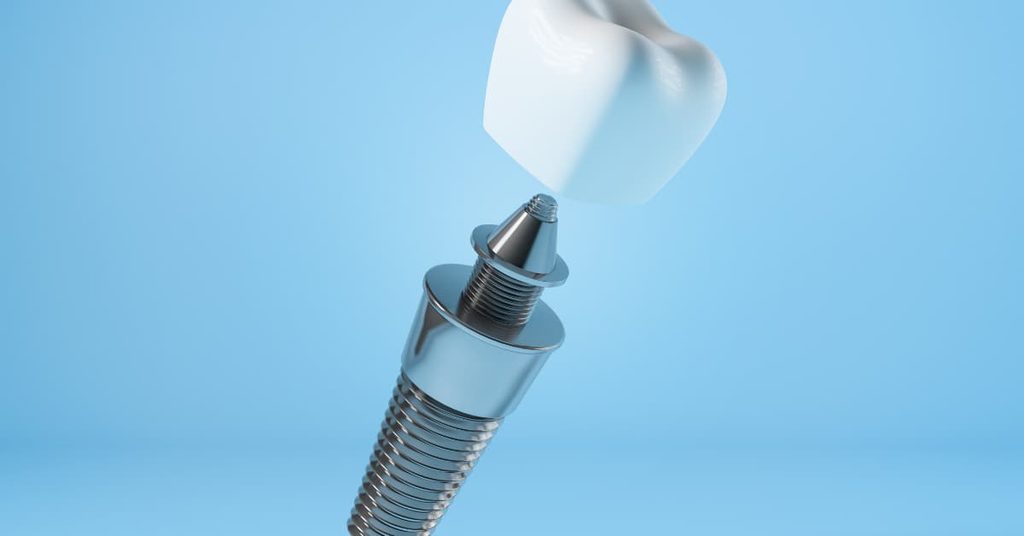
The catch is that “permanent dentures” isn’t a treatment you can book. Dentists and ads use the phrase for three different things. The first is an ordinary denture, the final version you get after your gums heal from extractions. The second is a denture that snaps onto implants, which holds firm but still comes out to be cleaned. The third is a full arch of teeth screwed to implants, which stays in until a dentist takes it off.
The third is the one you’re picturing. Whether you can have it comes down to bone. Implants need solid bone to hold, and after years in a denture there often isn’t enough left, which is how a lot of people end up with the snap-in instead.
Three types of permanent dentures, side by side
The plan you get at a consultation usually won’t say “permanent dentures.” It’ll say full denture, overdenture, implant-retained denture, or full arch, and it’s not always obvious which of the three that is. The cards below match those names to what you’d be living with.
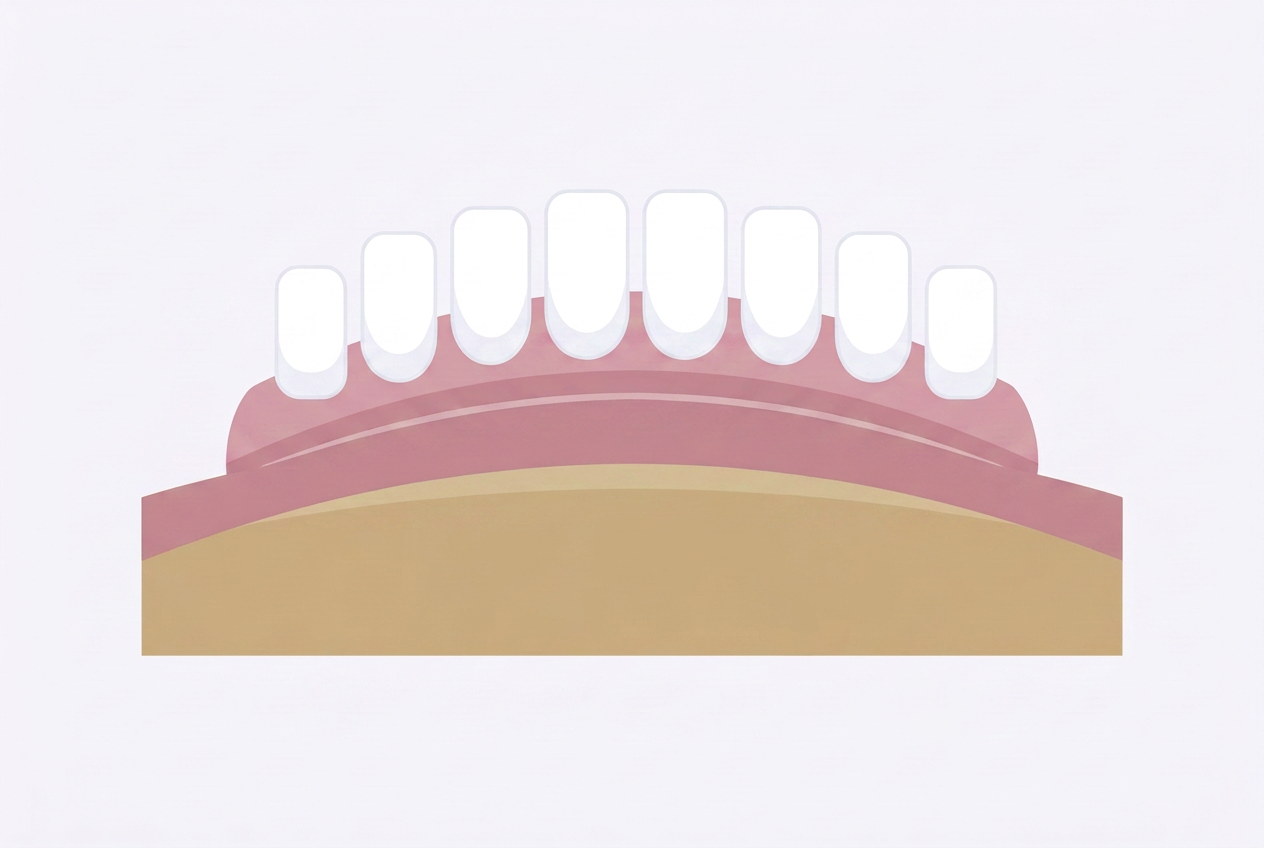
Regular denture
- Sits on
- your gums
- Comes out
- yes, every night
- When you get it
- after healing, around six months after teeth are removed
- What wears
- the fit, as your bone changes
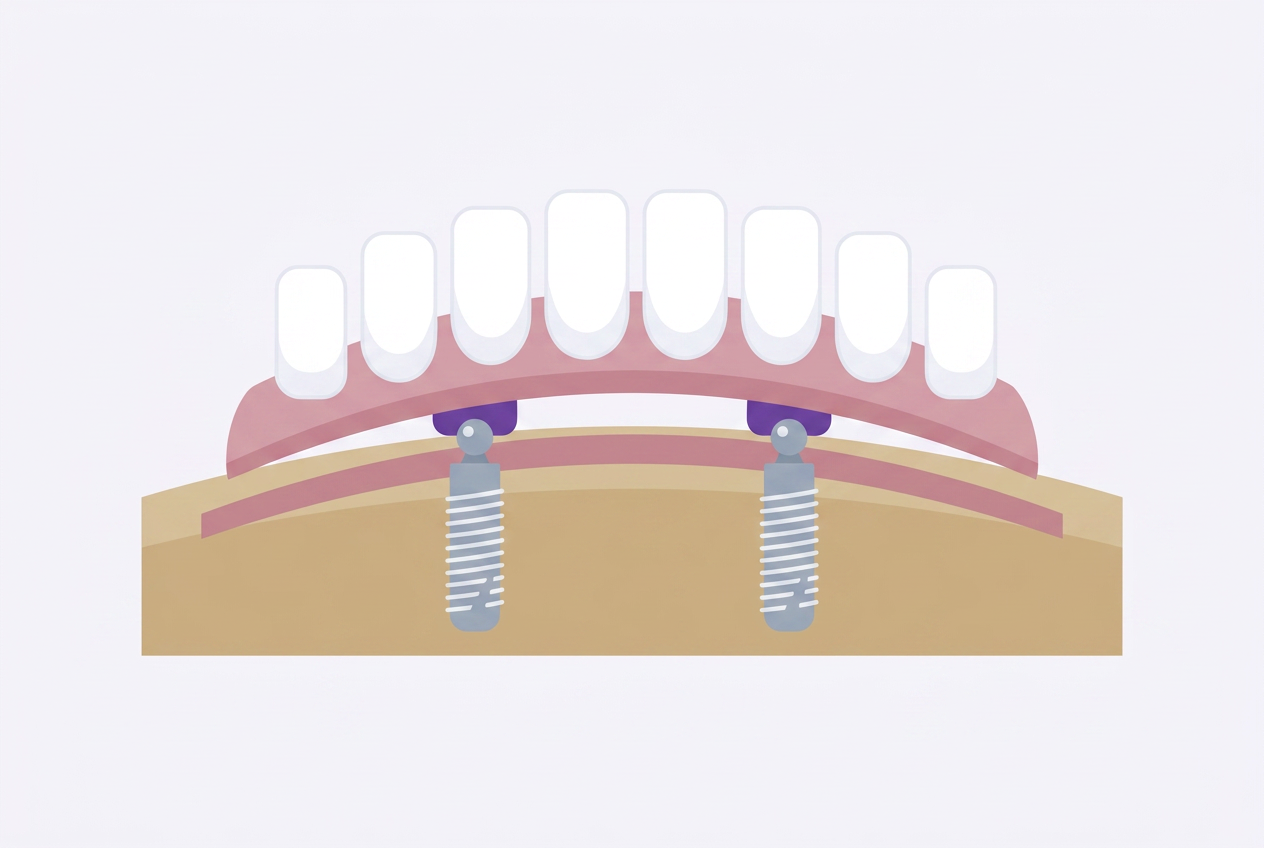
Snap-in denture
- Sits on
- two to four implants
- Comes out
- yes, every night, to clean it
- When you get it
- after the implants have healed into the bone
- What wears
- the snap parts that hold it
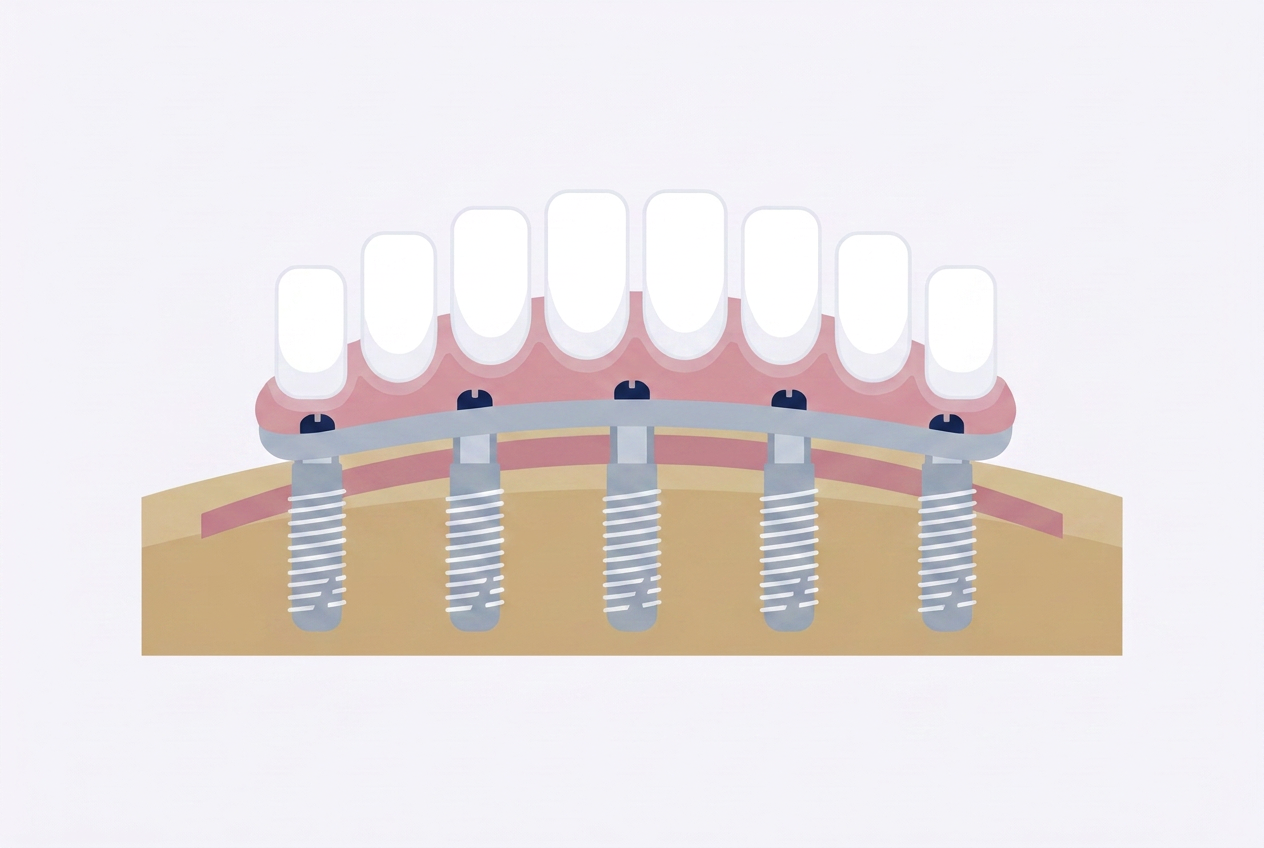
Fixed full arch
- Sits on
- four to six implants
- Comes out
- no, only your dentist removes it
- When you get it
- after the implants have healed, sometimes with temporary teeth in the meantime, depending on the plan
- What wears
- the teeth on the bridge, over years
Snap-in dentures come out every night. That surprises people, because they’re sold as permanent and they feel permanent while they’re in. It’s worth settling whether that bothers you before you choose one, because going from a snap-in to a fixed bridge later means more implants and another round of surgery.
Immediate dentures vs. permanent dentures
An immediate denture is the one that goes in the day your teeth come out. It’s made beforehand, from impressions taken while your teeth were still there, and its job is to cover the sockets and get you through the first months with teeth in. It was never going to fit for long, because the mouth it was made for stops existing the moment the teeth are gone.
It will get loose. That’s the gums and bone shrinking as they heal, not a problem with the denture. We put a soft liner in to tighten it up, and we may do that a couple of times over the first months. Around the six-month mark, once the shrinking has mostly stopped, we either reline the immediate denture properly in the lab or make you a new one from scratch.
Timing varies. Your dentist decides when the bone has settled enough.
The two are the same kind of denture. One was made for a mouth full of teeth and the other for a healed jaw. Keep the immediate one afterward. It’s a useful spare if the new one ever breaks.
The permanent denture isn’t permanent either, not the way people hope. It still comes out at night, it still sits on the gums, and the bone under it keeps shrinking slowly for years. Expect it to need relining now and then and to be replaced after about ten years.
Two related questions come up a lot. People who still have some of their own teeth want to know whether a partial would do instead of a full denture, and people who hate the plate across the roof of their mouth want to know if there’s a way around it. We’ve written about both: partial versus full dentures and palateless dentures.
Snap-in dentures on implants
A lower denture has almost nothing to hold onto. There’s no palate for suction, the tongue pushes it around, and adhesive only does so much. A snap-in fixes that with implants in the jaw and small fittings on the underside of the denture that click onto them. On a lower jaw that’s usually two implants. From the outside it looks like the denture you have now. The clinical name is an implant overdenture.
You still take it out every night to clean it, and it goes back in the morning. The snaps are the part that wears. Over time they lose their grip and we tighten or replace them at a checkup, and how often that happens depends on the type of fitting and how hard you chew.
What you get for that is a denture that doesn’t move. People who go from a plain lower denture to a snap-in eat better and are noticeably happier with it, and that’s one of the better-documented results in denture research.
Fixed full-arch dentures
This is the one people mean when they say they want teeth that don’t come out. Four to six implants go into the jaw, and a full arch of teeth on a bridge is screwed down onto them. With the Hybridge system we use, that’s usually five implants on the bottom and six on top, though your scan decides the real number.
This one stays in. You brush it, eat with it, and sleep with it, and you never take it out. Because it’s held on with screws rather than cement, your dentist can lift it off if it ever needs repair, and put it straight back. That’s a feature, not a routine. The guidance from the prosthodontists’ professional body is to leave a fixed bridge in place and not remove it for cleaning or checkups unless there’s a specific reason.
The trade is cleaning. Food gets under a fixed bridge, and since you can’t take it out, you clean under it where it sits. That means brushing twice a day like anyone else, plus getting under the bridge with floss threaded beneath it, small interdental brushes, or a water flosser. Most people settle on the water flosser. You’ll also come in every two to six months so we can clean around the implants and check the gums, and how often depends on how your mouth is doing.
The question people ask next is whether they’ll have teeth while the implants heal. Often, yes. If the implants sit firmly enough in the bone on the day they go in, a temporary bridge gets screwed onto them before you leave, and you wear that until the final one is made. If an implant isn’t firm enough, it’s left to heal on its own first, and you’d wear a removable denture over it in the meantime. Which of those happens gets decided during the surgery, one implant at a time, and it’s something we talk through with you before extraction day.
Compared with a snap-in, the studies say both do well. The one clear difference people report is stability, and that goes to the fixed bridge.
Not sure which of the three you’ve been offered? Bring your quote to a free consultation and we’ll tell you.
Book a free consultationPMMA or zirconia
When you start looking at fixed bridges you’ll see the materials advertised, and it’s worth knowing what they are. PMMA is dental acrylic, the same family of material dentures have been made from for decades. Our Hybridge bridge uses PMMA teeth on a chrome cobalt frame that gives it its strength. Zirconia is a ceramic, closer to what a single crown is made of. When an ad says “zirconia implants,” it usually means ordinary titanium implants with a zirconia bridge on top.
Neither one changes what kind of treatment you’re getting, and when researchers pooled the studies, neither one changed how long the implants or the bridges lasted. What the material does change is how the teeth look, how they wear over the years, and what it costs to fix a chip. If you’re choosing between them, that’s the conversation to have, and we’ve laid it out on its own page.
How long permanent dentures actually last
None of them, if permanent means you never think about it again.
A plain denture gets relined and eventually replaced, because the bone under it keeps changing.
With implants there are two separate things that can wear: the implants in the bone and the teeth attached to them. The implants can be fine while the snaps or the bridge teeth need work, and it can go the other way. The long-term numbers on fixed bridges aren’t settled yet, because the studies haven’t run long enough.
So for a fixed bridge, “permanent” means you never take it out. It doesn’t mean it never needs work.
The implants, once they’ve healed into the bone, are the part that’s built to stay. The teeth on top are the part that takes the chewing. It’s normal for a bridge to need repair, or eventually a new set of teeth on the same implants, while the implants underneath are still fine.
What that looks like over the years, and what gets replaced when, is on our page about how long full-arch implants last.
What permanent dentures cost, and why it varies
A plain denture is usually the cheapest of the three. A full denture costs more than a partial, better materials cost more than basic ones, and if you still have teeth that need to come out first, the extractions are added on top.
With a snap-in, most of the cost is the implants, so two implants costs less than four. If you need bone or gum work before they can go in, that’s a separate procedure with its own cost, and sedation is another line on the estimate. The denture that clips onto them is priced like any denture, by materials.
A fixed bridge is the most expensive of the three because it needs the most implants and the bridge is custom-made for them. The estimate will also list the 3D scan, any extractions, grafting if your bone needs it, and the temporary teeth you wear while healing.
There isn’t a price for any of this that you can look up, because how many of those items apply, and how much of each, is different for every patient. What you should get is a written plan after an exam that lists each of them, and says which are included and which could come up later.
What insurance or Medicaid will cover varies by plan and by state. Our patient financing page covers payment options and how insurance, HSA, and FSA fit in.
If you’re leaning toward one of the implant options, the surgery is usually the part people worry about most. It’s less than they expect. The implants go in under local anesthetic, with sedation if you want it, and most people are back to feeling like themselves within about a week. We give you a plan for the first few days, and if anything isn’t settling the way we said it would, you call us and we see you.
Which of the three you can have depends on your bone, your gums, and your health. Your age matters less than you’d think. At a consultation we look at:
- The condition of your teeth and whether you need dentures
- How much bone there is and where implants could go
- Your gums and your medical history
- Whether a regular denture, a snap-in, or a fixed bridge suits your mouth and the way you live
- The whole plan and its cost, in writing
Henderson, Nevada
Finding out which one fits you, at our Henderson office
If you’re wearing a loose denture now, that visit also tells you whether implants are an option for you.
Schedule your free consultationCommon questions about permanent dentures
Are dentures permanent?
Not in the sense of lasting forever. A plain denture sits on gums that change shape over the years, so it gets relined and eventually replaced. Implant options stay put, but the parts attached to the implants still wear and need maintenance. When an office says “permanent,” ask whether they mean the final denture after healing, a snap-in on implants, or a fixed bridge.
Can immediate dentures be permanent?
Not as they are. An immediate denture goes in the day your teeth come out, and your gums and bone change shape as they heal. Around six months later it’s either relined properly or replaced with a new denture. That one is the permanent denture.
Are there permanent dentures that don’t come out?
Yes. A fixed full arch is a bridge screwed onto several implants. You don’t remove it. Your dentist can, if something needs repair or there’s a problem around an implant, and it needs cleaning underneath every day plus regular maintenance visits.
How long do permanent dentures last?
It depends which kind. A plain denture lasts about ten years on average, with a lot of variation. With implants, the implants and the teeth on them have separate lifespans, and the long-term evidence on fixed bridges is still thin. Your dental team can tell you which parts are expected to wear and how they’re replaced.
Sources: University of Iowa College of Dentistry, immediate dentures; Cleveland Clinic, dentures; Cleveland Clinic, implant-supported dentures; American College of Prosthodontists, maintenance of full-arch implant restorations; ADA MouthHealthy, implants; 2018 review, implant overdentures versus conventional dentures; 2023 review, patient-reported outcomes; 2021 review, complete denture longevity; 2014 review, fixed hybrid prostheses; 2019 review, prosthetic materials. This article provides general education and does not diagnose candidacy or replace an examination.