I’ll never forget one particular patient who walked into my office after hiding her smile for three years. She’d been covering her mouth every time she laughed because her upper denture had become so loose it would slip during important conversations at work. When I told her about immediate load dental implants – that she could walk out the same day with a brand new smile – she literally started crying.
That was a Tuesday morning. By 4 PM, she was showing off her new teeth to everyone in the waiting room. She called me the next day, still amazed that she was eating a turkey sandwich without any pain or slipping.
Here’s what I’ve learned after placing thousands of immediate load dental implants: the technology has advanced to the point where same-day results aren’t just possible – they’re predictable. But most patients don’t know this option exists, or they’ve been told it’s “too risky” by dentists who simply don’t have the training or equipment to offer it.
What Makes Immediate Load Dental Implants Different?
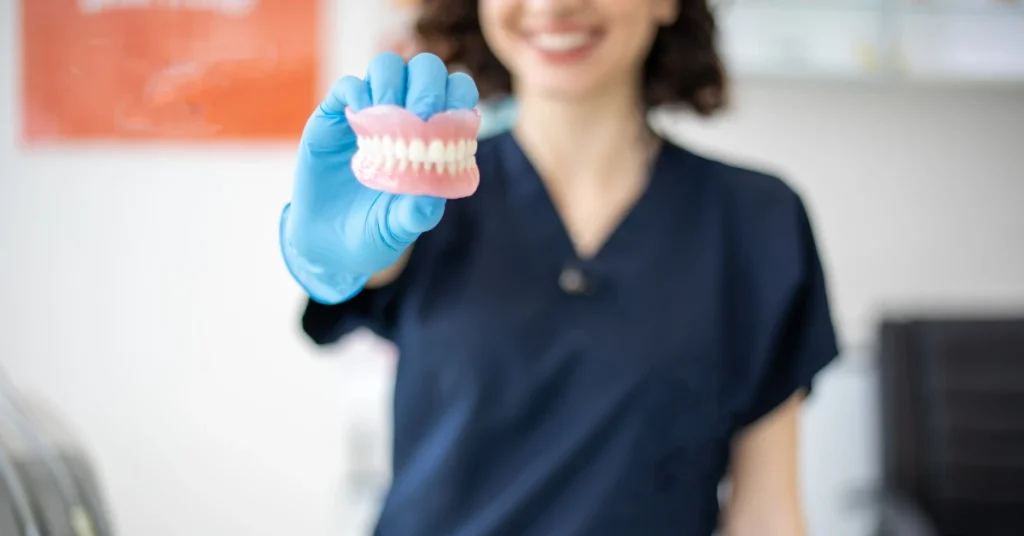
Let me clear up the confusion right away. Immediate load dental implants are exactly what they sound like – implants that receive their permanent crowns or dentures on the same day they’re placed. No waiting months for healing. No temporary dentures that slip around. You leave our office with functional teeth that look and feel natural.
The key difference lies in the implant design and placement technique. Traditional implants require a healing period called “osseointegration” – typically 3-6 months, where the implant fuses with your jawbone. With immediate loading, we use specially designed implants with enhanced surface treatments that achieve primary stability instantly.
Think of it like this: traditional implants are like planting a seed and waiting for it to grow. Immediate load implants are like transplanting a mature tree – with the right conditions and technique, it takes root immediately.
But here’s what most patients really want to know: Does it actually work? The research is clear. Studies show that immediate load implants have success rates between 95-98% when placed by experienced surgeons with proper patient selection. That’s virtually identical to traditional implant success rates.
What you get with immediate loading is life-changing convenience. No months of eating soft foods. No embarrassing gaps in your smile. No wondering if the implants will “take.” You walk out the same day with confidence restored.
Are You a Candidate for Same-Day Implants?
Not everyone qualifies for immediate load dental implants, and any honest surgeon will tell you that upfront. The success depends on several critical factors that we evaluate during your consultation.
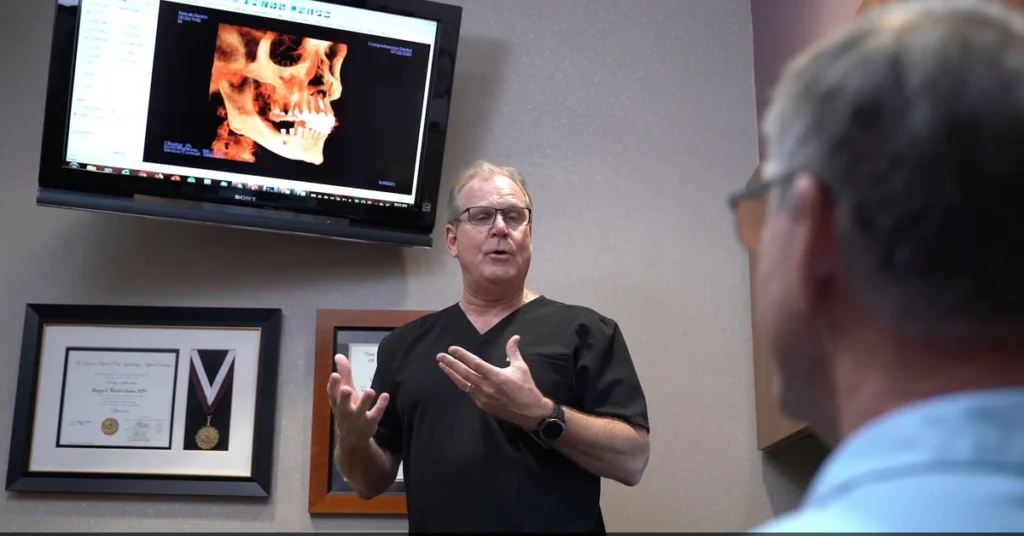
Your bone density is the most important consideration. We need sufficient bone volume and density to achieve what we call “primary stability” – essentially, the implant needs to be rock-solid from the moment it’s placed. This is why we use advanced 3D imaging to map your jawbone structure before recommending immediate loading.
Here are the key factors that make someone an ideal candidate:
- Adequate bone density – Your jawbone must be thick enough and dense enough to support immediate loading without risk of implant movement
- Good overall health – Conditions like uncontrolled diabetes or heavy smoking can interfere with healing and aren’t compatible with immediate loading
- Healthy gum tissue – Active gum disease needs to be treated before implant placement for optimal success
- Realistic expectations – Understanding that while you get immediate function, full healing still takes several months
- Commitment to aftercare – Following post-operative instructions is crucial for long-term success
Age isn’t typically a barrier. I’ve successfully placed immediate load implants in patients from their 30s to their 80s. What matters more is your overall health and bone condition.
If you don’t qualify for immediate loading, that doesn’t mean you can’t get implants – it just means we’ll use the traditional approach. Either way, you’ll end up with a permanent solution that changes your life.
The Immediate Load Procedure: What Really Happens
Patients always ask me to walk them through exactly what happens during an immediate load procedure. The transparency helps ease their anxiety, and frankly, the process is more straightforward than most people expect.
Your day starts with comprehensive planning. We’ve already taken your 3D scans and created a detailed surgical plan using computer-guided technology. This isn’t guesswork – we know exactly where each implant will go and what your final result will look like before we start.
The actual procedure typically takes 2-4 hours, depending on how many implants you’re receiving. We use advanced sedation options, so most patients are comfortable throughout the entire process. Many tell me they don’t remember much of the surgery at all.
Here’s the step-by-step breakdown:
- Sedation and anesthesia – We ensure you’re completely comfortable before beginning any work
- Implant placement – Using surgical guides for precision, we place each implant in the pre-planned position
- Stability verification – We measure the stability of each implant to confirm it can handle immediate loading
- Impression taking – We capture precise impressions for your temporary restoration
- Temporary crown/denture fabrication – While you rest, our lab creates your immediate restoration
- Final placement – Your new teeth are secured to the implants and adjusted for a perfect fit
- Bite verification – We ensure your bite is balanced and comfortable
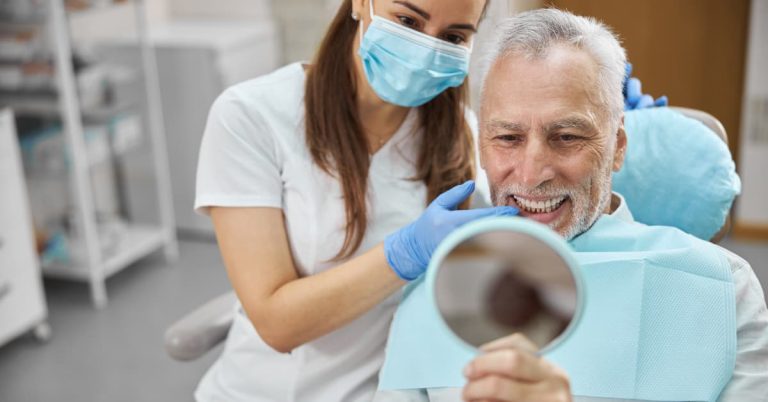
The remarkable thing is how patients feel when they first see their new smile. This patient’s reaction wasn’t unusual – most people are amazed by how natural the teeth look and feel immediately.
Recovery is typically easier than patients expect. Because we’re not cutting large flaps or doing extensive bone work, most people experience minimal swelling and discomfort. You’ll be on a soft diet for the first few weeks, but you can eat normally from day one.
Success Rates and Long-Term Outcomes
Let me share the numbers that matter most: long-term success rates. After 20 years of placing immediate loading implants, I can tell you that when done properly, these implants last just as long as traditional implants.
The latest research shows 10-year success rates of 95-97% for immediate load implants. That means out of 100 people who receive them, 95-97 will still have their implants functioning perfectly a decade later. These are exceptional outcomes by any medical standard.
What makes the difference? Three critical factors determine long-term success: proper patient selection, surgical precision, and post-operative care. Miss any of these, and success rates drop significantly.
I’ve tracked my own patients over the years, and the results speak for themselves. Patients who follow our protocols and maintain good oral hygiene enjoy their immediate load implants for decades. The patient I mentioned earlier is now five years post-surgery and still raves about her decision.
The key is understanding that while you get immediate function, the implants continue to strengthen over time. The first three months are crucial as the bone continues to grow around the implant surface, creating even stronger support. For patients receiving a full-arch restoration, learn what long-term care of your final restoration looks like once healing is complete.
Immediate Load vs Traditional Implants: Making the Right Choice
Patients often ask me whether immediate load implants are “better” than traditional implants. The honest answer is that both approaches have their place, and the best choice depends on your specific situation.
Traditional implants have a longer track record – we have decades of research supporting their success. They’re often the better choice for patients with compromised bone density or complex medical histories. The healing period, while inconvenient, allows for more predictable osseointegration.
Immediate load implants offer the advantage of convenience and psychological comfort. There’s something powerful about walking out the same day with your new smile. For many patients, this immediate transformation is worth the slightly more complex procedure.
Here’s how they compare in practical terms:
- Treatment time – Same day teeth implants provide immediate function vs. traditional implants which require 3-6 months of healing
- Number of appointments – Immediate load: 2-3 visits vs Traditional: 4-6 visits
- Success rates – Both approaches: 95-98% long-term success
- Cost – Immediate load: slightly higher due to technology and lab work
- Comfort – Immediate load: no gap period vs Traditional: temporary solutions needed
In my practice, about 70% of patients qualify for immediate loading, and most choose it when given the option. The convenience factor is compelling, especially for working professionals who can’t afford months of dietary restrictions and social discomfort.
The decision ultimately comes down to your individual anatomy, lifestyle, and preferences. During your consultation, we’ll discuss which approach gives you the best chance of long-term success.
How Osseointegration Actually Works With Immediate Load Implants
Osseointegration is the reason immediate loading is possible at all – and also the reason it fails when it does. Most explanations stop at “the implant fuses with the bone.” That’s accurate, but it skips the part that actually determines whether a same-day restoration survives the first three months.
The interface is a direct structural connection between living bone and the implant surface. No fibrous tissue between them, nothing mediating the contact. Bone cells grow into the micro-scale surface features of the titanium – the acid-etched texture that modern implants are designed with specifically to give osteoblasts more surface area to attach to.
With traditional delayed-load protocols, the bone starts integration in an undisturbed environment for months. Immediate loading changes one variable: a restoration goes on the same day, which means bite forces reach the implant before secondary stability has developed. That’s the calculated risk at the center of the whole protocol.
Primary vs. Secondary Stability
Primary stability is mechanical – the friction and compression between the implant threads and surrounding bone at the moment of placement. We measure it two ways: insertion torque in Newton-centimeters during placement, and resonance frequency analysis after seating, which produces an ISQ score.
For immediate loading, we need insertion torque at 35 Ncm or above and an ISQ of 70 or higher. Those aren’t arbitrary thresholds. They’re the values at which the implant has enough resistance to micro-movement that a properly designed temporary restoration won’t compromise integration.
I’ve placed implants that torqued in at 45 Ncm and still measured ISQ 65 – the bone quality wasn’t dense enough to support the stability the torque suggested. That implant didn’t get loaded the same day.
Secondary stability is what eventually takes over. As weeks pass, osteoblasts migrate to the implant surface and lay down new bone matrix along the threads. Secondary stability builds gradually and, in healthy patients, overtakes primary stability around month three or four.
The Stability Dip
Around weeks two through four, primary stability is declining as the bone immediately surrounding the implant undergoes normal remodeling – the mechanical grip loosens temporarily – while secondary stability isn’t fully developed yet. This is the lowest point on the stability curve.
The implant isn’t failing. The biology is following a normal sequence. But this is exactly why diet compliance during this window isn’t a suggestion.
Repeated functional overload on bone that’s mid-remodel – even modest forces applied consistently – is one of the most reliable ways to convert a well-placed immediate load implant into a failed one. The restriction isn’t about protecting the temporary teeth. It’s about protecting what’s happening in the bone underneath them.
By month four, secondary stability has established itself and the curve climbs again. Most patients feel normal well before this point, which is exactly when diet discipline starts to slip.
Your Next Step Toward a Same-Day Smile
If you’re tired of hiding your smile or struggling with loose dentures, immediate load dental implants might be the solution you’ve been looking for. The technology has advanced to the point where same-day results are not just possible – they’re predictable and long-lasting.
Remember the patient story I shared? She went from hiding her smile to showing it off in a single day. That transformation is available to more people than ever before, thanks to advances in implant design and surgical techniques.
The first step is understanding whether you’re a candidate. That requires a comprehensive evaluation, including 3D imaging and a thorough health assessment. Don’t let another day pass wondering if you could have a permanent solution to your dental concerns.
Contact Comprehensive Dental Implant Center today to schedule your consultation. Let’s determine if immediate load dental implants can give you the confident, functional smile you deserve – possibly as soon as tomorrow!