Dental implants come in two main types: standard (endosteal) implants measuring 3.5-5.0mm in diameter and mini implants under 3mm diameter. Standard implants are the gold standard for single-tooth replacement, offering superior stability and longevity, while mini implants serve patients with limited bone density or those seeking less invasive options. Your dentist determines the appropriate type based on jawbone dimensions, restoration needs, and overall health.
Three years ago, a patient walked into my office clutching research about dental implants. She'd been struggling with a partial denture that kept slipping during family dinners, making her self-conscious about laughing. "Doctor," she said, "I keep reading about different types. Which one is right for me?"
That question gets to the heart of what many patients face: understanding which implant type matches their unique situation. The decision involves more than just replacing a missing tooth—it's about matching your bone structure, budget, and long-term oral health goals with the right solution.
As someone who has placed thousands of dental implants over two decades in Henderson, I've witnessed how the right choice transforms not just smiles, but confidence and quality of life. What surprised me most about this patient's case? Six months later, with her standard implants fully integrated, she called it the best decision she'd ever made.
How standard dental implants restore missing teeth
Standard dental implants—also called endosteal implants—represent the most common and thoroughly researched tooth replacement option available today. These titanium posts measure 3.5 to 5.0 millimeters in diameter and typically range from 8 to 16 millimeters in length, designed to replicate your natural tooth root's function.
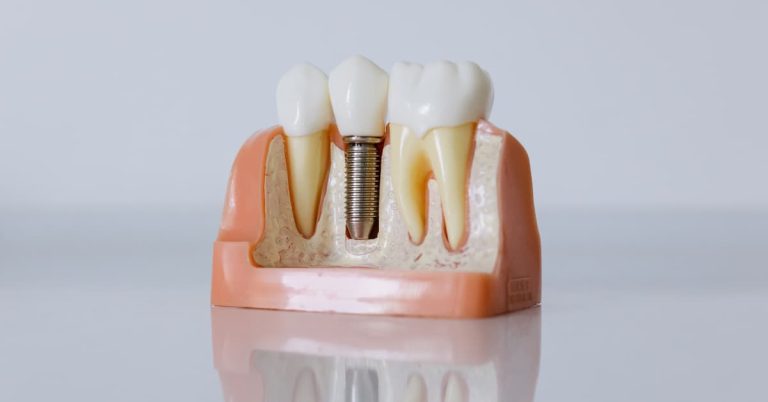
The three-component design includes the implant post (surgically placed in your jawbone), an abutment (the connector piece), and the final crown (your visible tooth). This modular system allows your dentist to customize each element to your specific anatomy and aesthetic needs.
What makes standard implants particularly effective is osseointegration—the biological process where your jawbone actually grows onto the titanium surface. This fusion typically takes three to six months, creating a foundation that can withstand normal chewing forces for decades. According to the American Academy of Periodontology, this integration process is what distinguishes implants from other tooth replacement options.
During my training, I learned that successful implant placement combines precise measurements with an understanding of how bite forces distribute across your jaw. Standard implants excel because their dimensions align with natural tooth root sizes, allowing them to handle everything from corn on the cob to tough steaks without compromise.
Key advantages of standard implants
- Proven longevity: With proper care, standard implants can last 25 years or longer
- Bone preservation: The titanium post stimulates jawbone, preventing the bone loss that occurs with missing teeth
- Maximum stability: Superior surface area for osseointegration compared to smaller alternatives
- Versatile applications: Can support single crowns, bridges, or full dentures equally well
- Natural function: Restores approximately 90-95% of natural chewing ability
For patients missing a single tooth, a standard implant provides the most durable foundation. When you're missing multiple teeth, full mouth restoration using strategically placed standard implants can support an entire arch of replacement teeth, eliminating the need for individual implants for each missing tooth.
Mini dental implants offer an alternative for specific cases
Mini dental implants measure less than 3mm in diameter—roughly the width of a toothpick—and feature a one-piece design with a ball-shaped head. Unlike standard implants that require a separate abutment, mini implants combine the post and attachment point into a single component.
Originally developed as temporary devices to stabilize dentures during the healing period for standard implants, mini implants have evolved into a viable option for specific situations. They work particularly well for patients whose jawbone has narrowed significantly or those seeking a less invasive procedure.
The placement procedure involves creating a small pilot hole in the bone—often without requiring incisions or sutures. Many patients return to normal activities within a day or two, compared to the longer recovery sometimes needed with standard implants. If you're concerned about surgical procedures, IV sedation options are available for both mini and standard implant placement to ensure your comfort.
When mini implants make sense
- Denture stabilization: Securing loose lower dentures that shift during eating or speaking
- Narrow bone ridges: When the jawbone is too thin for standard implants and bone grafting isn't desired
- Temporary solutions: Holding space while planning more comprehensive treatment
- Budget considerations: Lower initial investment compared to standard implants
- Medical limitations: Patients with health conditions making extensive surgery riskier
However, mini implants have limitations worth understanding. Their smaller diameter means less surface area for bone integration, which can affect long-term stability. Studies suggest mini implants typically last 10-15 years compared to 25+ years for standard implants. They're also more susceptible to mechanical complications if used to support fixed crowns in high-stress areas like molars.
I recently treated a patient who initially chose mini implants for her lower front teeth because the procedure seemed simpler. Two years later, she experienced implant mobility. We had to remove the failing minis and place standard implants—exactly what I'd recommended initially. This taught both of us the value of choosing the right solution the first time, even if it requires more initial investment.
Standard versus mini implants at a glance
Understanding the practical differences between implant types helps you make an informed decision. This comparison covers the factors that matter most to patients in Henderson and throughout Nevada.
Note: Individual results vary based on oral health, bone quality, and adherence to post-operative care instructions.
Full arch solutions for multiple missing teeth
When you're missing most or all teeth in an arch, individual implants for each tooth become unnecessary. Full arch solutions like All-on-4 use four to six strategically placed implants to support an entire set of replacement teeth—typically 10-14 teeth per arch.
This approach offers several advantages over traditional dentures. The implants anchor into your jawbone, preventing the slipping and discomfort many denture wearers experience. You can eat virtually any food without worry, and the implants help maintain your jawbone density by providing the stimulation your bone needs.
The technique angles back implants to avoid anatomical structures like sinuses, often eliminating the need for bone grafting that might otherwise be required. Many patients receive temporary teeth on the same day as implant placement, though the final prosthesis is attached after the healing period.
For patients who need secure dentures without full arch implants, implant-supported dentures use 2-4 mini or standard implants to stabilize removable dentures, offering a middle ground between traditional dentures and fixed full arch restorations. If you're weighing your options, our guide on dental implants vs implant-supported dentures breaks down which approach fits different needs and budgets.
Specialized implants for complex cases
Zygomatic implants represent a solution for patients with severe upper jawbone loss. Instead of anchoring in the maxilla (upper jaw), these longer implants extend into the zygomatic bone (cheekbone), which typically maintains density even when jaw bone has deteriorated significantly.
This technique requires specialized training and is generally reserved for cases where standard implants aren't viable and patients prefer to avoid extensive bone grafting. The procedure is more complex, but it can provide stability for patients who might otherwise have limited options.
Subperiosteal implants—placed above the jawbone but under the gums—have largely been replaced by mini implants and bone grafting techniques in modern dentistry. They may still be considered in rare cases where a patient has insufficient bone and cannot undergo grafting due to medical conditions.
Who qualifies for dental implant treatment
Most adults with missing teeth qualify as candidates for some type of dental implant. The key factors involve your jawbone condition, overall health, and commitment to oral hygiene.
Basic requirements for standard implants
- Adequate bone density: Your jawbone needs sufficient width (minimum 6mm) and height to support the implant securely
- Healthy gums: Active periodontal disease must be treated before implant placement to ensure success—gum grafting may be necessary in some cases
- Good general health: Conditions like uncontrolled diabetes or active cancer treatment may require stabilization first
- Realistic expectations: Understanding the timeline, commitment, and limitations of implant treatment
- Oral hygiene commitment: Daily brushing, flossing, and regular dental visits are essential for long-term success
Age isn't typically a limiting factor—I've successfully placed implants in patients ranging from their early twenties to their mid-eighties. Your biological health matters more than your birth certificate.
Smoking significantly affects implant success rates. Nicotine restricts blood flow, which impairs healing and osseointegration. Most implant dentists recommend quitting smoking at least two weeks before surgery and remaining smoke-free during the healing period. Some practices may decline to place implants in active smokers due to the increased risk of failure.
When bone grafting becomes necessary
If your jawbone has deteriorated due to long-term tooth loss, infection, or periodontal disease, bone grafting can rebuild the necessary foundation. This procedure adds bone material to your jaw, allowing it to regenerate and strengthen over several months.
While grafting extends your overall treatment timeline, it dramatically improves long-term implant success. Think of it as ensuring your house has a solid foundation before building on it—the extra time invested protects your investment for decades to come.
Medical conditions that require discussion with your dentist include osteoporosis (especially if taking bisphosphonate medications), bleeding disorders, immune system conditions, and recent radiation therapy to the head or neck area. According to the U.S. Food and Drug Administration, these conditions don't automatically disqualify you, but they require careful evaluation and coordination with your medical team.
How much do different implant types cost?
Understanding potential investment ranges helps you plan financially and compare options. These figures represent typical costs in the Henderson and Las Vegas area, though your actual investment depends on multiple factors.
*Important Pricing Information: The investment ranges shown are estimates based on typical costs for dental implant procedures in the Henderson, Nevada area and are provided for general informational purposes only. These figures do not constitute a quote, guarantee, or commitment of actual costs. Your actual investment may be higher or lower depending on numerous factors including:
- Your unique dental anatomy and bone quality
- Number of teeth being replaced
- Need for preparatory procedures (bone grafting, extractions, gum treatment)
- Type of sedation selected
- Material choices for final restorations
- Complexity of your specific case
- Geographic location and local market rates
A personalized treatment plan with accurate pricing will be provided during your consultation after a thorough examination and diagnostic imaging. Dental insurance coverage varies significantly—many plans provide partial coverage for implants. Our team can help you understand your benefits and explore financing options to make treatment accessible.
Factors that influence your investment
Several variables affect the total investment required for implant treatment. The location of the missing tooth matters—front teeth visible when you smile may require premium aesthetic materials, while back molars prioritize function over appearance. Multiple missing teeth often cost less per tooth when treated together compared to spacing procedures over time.
Preparatory procedures add to the investment but improve outcomes. Bone grafting, sinus lifts, or soft tissue grafts create the ideal foundation for implants, though they extend both timeline and investment. Many patients find that addressing these needs upfront provides better long-term value than choosing compromised solutions.
Sedation options range from local anesthesia (included in standard procedures) to IV sedation for patients who prefer to be deeply relaxed during treatment. The choice depends on your anxiety level, procedure complexity, and personal preference.
Determining the right implant type for your needs
Selecting the appropriate implant type involves evaluating several interconnected factors. This framework helps you understand which questions to ask and what matters most for your situation.
Key considerations for implant selection
How many teeth need replacement?
- Single tooth: Standard implant typically recommended for maximum longevity
- 2-3 adjacent teeth: Implant-supported bridge or individual implants
- Multiple scattered teeth: Individual implants placed strategically
- Most or all teeth in an arch: Full arch solution (All-on-4 or similar) most cost-effective
What's your jawbone condition?
- Adequate bone density: Standard implants with best long-term prognosis
- Moderate bone loss: May require grafting before standard implants, or mini implants if grafting declined
- Severe bone loss: Full arch techniques, zygomatic implants, or extensive grafting
- Uncertain: 3D imaging during consultation provides precise assessment
What's your timeline expectation?
- Traditional timeline (5-8 months): Standard implants with optimal healing
- Faster solution (1-3 months): Mini implants or immediate load protocols when applicable
- Same-day teeth: Full arch techniques with temporary prosthesis, final teeth after healing
- Flexible: Best outcomes often come with patience, allowing proper osseointegration
What's your budget framework?
- Maximum long-term value: Standard implants offer best durability per dollar invested
- Lower initial investment: Mini implants reduce upfront costs but may need replacement sooner
- Comprehensive restoration: Full arch solutions provide complete smile at lower per-tooth cost
- Payment planning: Many practices offer financing to make treatment accessible
Ready for a personalized evaluation? Our Henderson team uses advanced 3D imaging to assess your bone structure and discuss which implant type matches your goals. During your consultation, we'll review all options and create a treatment plan tailored to your situation.
Schedule your consultation today to discover which implant type is right for you.
What to expect during your implant journey
Understanding the treatment timeline helps you plan accordingly and sets realistic expectations. While every case varies slightly, most implant procedures follow this general sequence.
Phase 1: Consultation & Planning (Week 1-2)
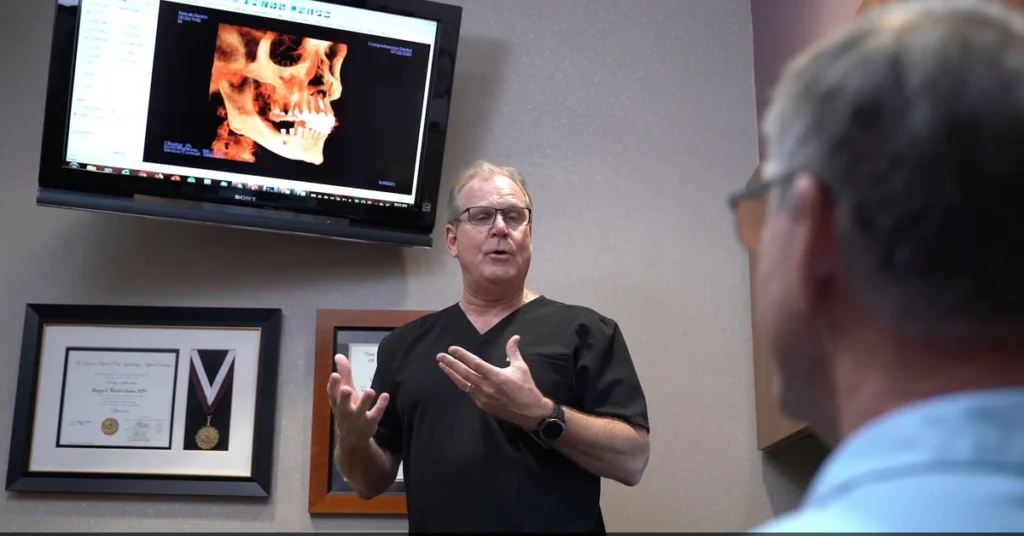
Your dentist conducts a comprehensive examination including 3D imaging (CBCT scan) to map your jaw anatomy. This reveals bone density, nerve locations, and sinus positions. You'll discuss your goals, review options, and receive a detailed treatment plan with timeline and investment breakdown.
Phase 2: Preparatory Procedures (If Needed)
Some patients require tooth extractions, bone grafting, or gum treatment before implant placement. Extractions typically heal in 3-4 months, while bone grafts may need 4-6 months to mature. These steps ensure optimal conditions for implant success.
Phase 3: Implant Placement Surgery (Day of Surgery)
The actual surgical procedure typically takes 1-2 hours for a single implant, longer for multiple implants. Most patients report minimal discomfort during the procedure due to local anesthesia or sedation options. You'll receive detailed post-operative instructions and prescriptions if needed.
Phase 4: Initial Healing (Week 1-2)
The first two weeks focus on soft tissue healing around the implant site. You'll follow a modified diet of soft foods, maintain gentle oral hygiene, and may experience minor swelling or bruising that resolves within days. Most patients return to work within 2-3 days.
Phase 5: Osseointegration (Month 1-6)
During this crucial period, your jawbone grows onto the titanium implant surface, creating a permanent bond. This biological process can't be rushed—it's what gives implants their exceptional stability. You'll have periodic check-ups to monitor progress, but no active treatment occurs during this time.
Phase 6: Abutment & Crown Placement (Final Months)
Once osseointegration is complete (verified through examination and sometimes x-rays), your dentist attaches the abutment—the connector between implant and crown. After your gums heal around the abutment (2-3 weeks), impressions are taken for your custom crown. The final crown is placed 2-3 weeks later, completing your restoration.
Timeline note: Mini implants typically follow a faster schedule (1-3 months total), while full arch restorations may allow temporary teeth the same day as implant placement, with final prosthesis after healing.
Activity restrictions during recovery
Your post-operative care significantly influences implant success. For the first week, avoid strenuous exercise that increases blood pressure, which could trigger bleeding. Don't smoke or use straws (suction can dislodge blood clots). Stick to soft foods and chew on the opposite side of your mouth.
After initial healing, gradually return to normal activities while the implant integrates. Most patients resume full activities within two weeks, though contact sports may require waiting until osseointegration completes. Your dentist provides specific guidance based on your procedure complexity.
Choosing a qualified implant provider in Henderson
Your implant provider's training and experience directly affect your outcome. Not all dentists receive the same level of implant education, and asking the right questions helps you make an informed choice.
Essential questions to ask your implant dentist
Training & Experience
- How many dental implant procedures have you performed?
- What specific training or certifications do you hold in implant dentistry?
- Do you place implants yourself or refer to a specialist?
- How many procedures like mine have you completed?
- Are you a member of implant-focused professional organizations?
Technology & Techniques
- Do you use 3D imaging (CBCT) for treatment planning?
- What brand of implants do you use and why?
- Do you offer computer-guided implant placement?
- What sedation options are available?
- How do you handle complications if they arise?
Success Rates & Results
- What is your personal success rate with implants?
- Can I see before-and-after photos of cases similar to mine?
- May I speak with past patients about their experience?
- What happens if an implant fails—do you provide a warranty?
- How do you define implant "success" in your practice?
Treatment Planning
- What alternatives to implants might work for my situation?
- Why are you recommending this specific implant type for me?
- What is the detailed breakdown of costs?
- What does your treatment warranty cover?
- How do you coordinate with my general dentist for ongoing care?
Red flags to watch for
Certain warning signs suggest you should seek a second opinion. Be cautious of providers who:
- Pressure you to make immediate decisions without time to consider
- Guarantee specific results or promise "pain-free" procedures
- Recommend treatment without thorough examination and imaging
- Offer prices significantly below market rates without clear explanation
- Dismiss your questions or concerns as unimportant
- Cannot provide clear answers about their training or experience
- Suggest the same solution for every patient regardless of individual needs
According to the U.S. Food and Drug Administration, discussing your complete medical history with your dental provider is essential for safe implant placement. Your dentist should review all medications, ask about chronic conditions, and coordinate with your physician if needed.
Frequently asked questions about implant types
How long do dental implants last?
The titanium implant post is designed to last 25 years or longer—often a lifetime—with proper oral care. The crown portion typically needs replacement every 10-15 years due to normal wear. Success depends on maintaining good oral hygiene, attending regular dental checkups, and avoiding habits like smoking that compromise implant health.
What is the difference between mini and standard dental implants?
Standard implants measure 3.5-5.0mm in diameter and provide maximum stability for individual teeth or bridges. Mini implants are under 3mm diameter, require less bone density, involve less invasive placement, and are primarily used to secure dentures or in narrow spaces where standard implants cannot fit. Standard implants typically last longer and handle chewing forces better than mini implants.
Who is not a candidate for dental implants?
Patients with uncontrolled diabetes, active periodontal disease, insufficient jawbone density (without willingness to undergo grafting), heavy tobacco use, or those taking certain medications like bisphosphonates may not be immediate candidates. However, many conditions can be treated or managed before proceeding with implants. Your dentist evaluates your specific situation during consultation.
Do dental implants require bone grafting?
Standard implants require adequate bone density for secure placement—approximately 6mm width minimum. If bone density is insufficient due to tooth loss or resorption, bone grafting can rebuild the foundation. Mini implants may be an alternative for patients who prefer to avoid grafting procedures. Your dentist determines grafting necessity through 3D imaging during consultation.
What is an endosteal implant?
An endosteal implant is the most common type of dental implant, surgically placed directly into the jawbone. These titanium posts fuse with the bone through osseointegration, creating a stable foundation for replacement teeth. Most standard dental implants are endosteal implants, designed to replicate your natural tooth root's structure and function.
How do I know which implant type is right for me?
Your dentist evaluates your jawbone dimensions through 3D imaging, assesses bone density, reviews your health history, and discusses your restoration goals. Standard implants are typically recommended when bone allows, while mini implants may be suggested for denture stabilization or cases with bone limitations. Full arch solutions work well when replacing most or all teeth. The consultation process reveals which option best matches your anatomy and objectives.
Your path to restored confidence starts here
Standing here after two decades of practice in Henderson, I've learned that the right implant choice transforms everything. Not just your ability to chew or speak clearly, but your confidence in social situations and your overall quality of life.
That patient I mentioned at the beginning? She recently brought her daughter in for a consultation. "I want her to have the same quality treatment you gave me," she said. That's the power of choosing the appropriate implant type—it doesn't just replace teeth; it restores lives, rebuilds confidence, and returns the simple joy of sharing meals without worry.
If you're considering implants, don't let confusion about types delay your decision. The consultation process answers all your specific questions and helps you understand exactly which option serves your needs best. Every day you wait is another day living with the limitations of missing teeth, another meal you can't fully enjoy, another moment of self-consciousness.
Ready to explore whether dental implants are right for you? Contact Comprehensive Dental Implant Center today to schedule a comprehensive evaluation where we'll use advanced 3D imaging to assess your bone structure, discuss your goals, and create a personalized treatment plan.
Your transformed smile is waiting—let's take the first step together and give you back the confidence that comes with a fully restored, natural-feeling smile.
Medical Disclaimer: The information provided in this article is for educational purposes only and does not constitute medical advice. Dental implant candidacy depends on individual health factors, bone density, and overall oral health. Success rates and longevity vary by patient. Treatment outcomes cannot be guaranteed. The cost information presented represents typical ranges in the Henderson, Nevada area and does not constitute a price quote. Actual costs depend on your specific treatment needs. Schedule a consultation with a qualified dental professional to determine if dental implants are appropriate for your specific situation and to receive personalized treatment recommendations.