One patient changed the way I talk about upper dentures. She was 67 and had worn a traditional denture for three years. Pain was not her complaint. Fit was not, either. “Doctor, I can’t taste my food anymore. Everything tastes like cardboard,” she told me. Her frustration started a conversation about leaving the roof of the mouth open.
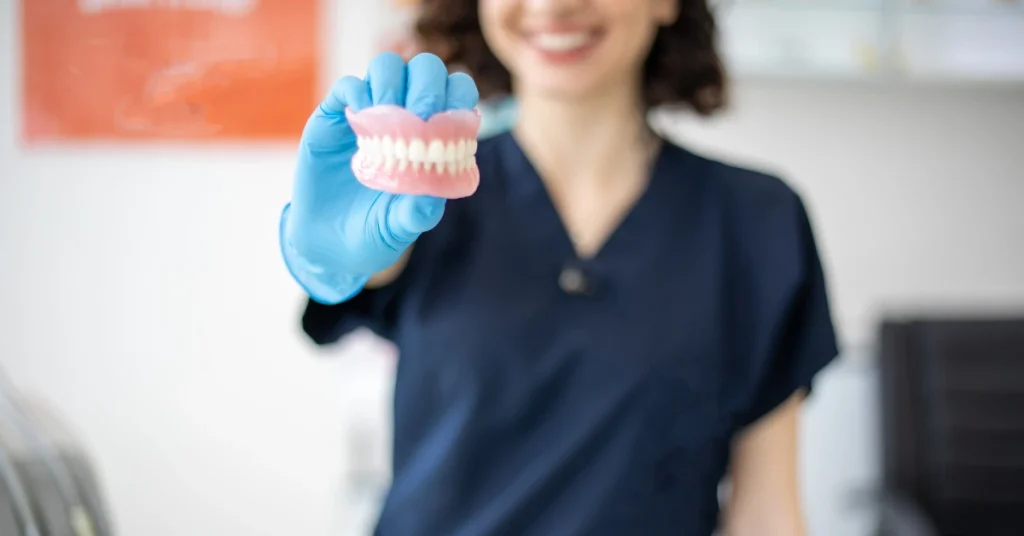
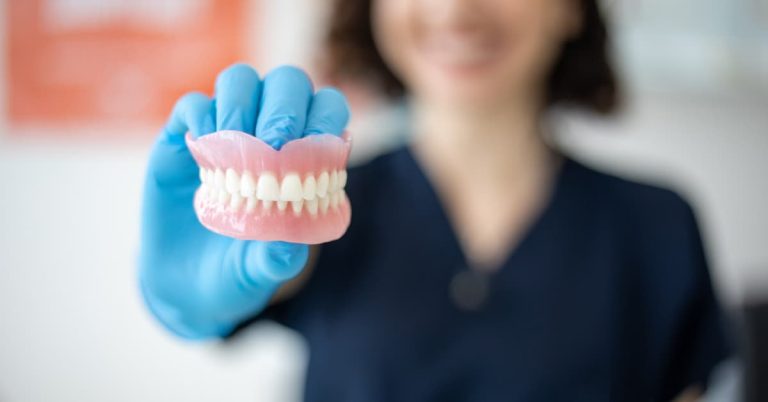
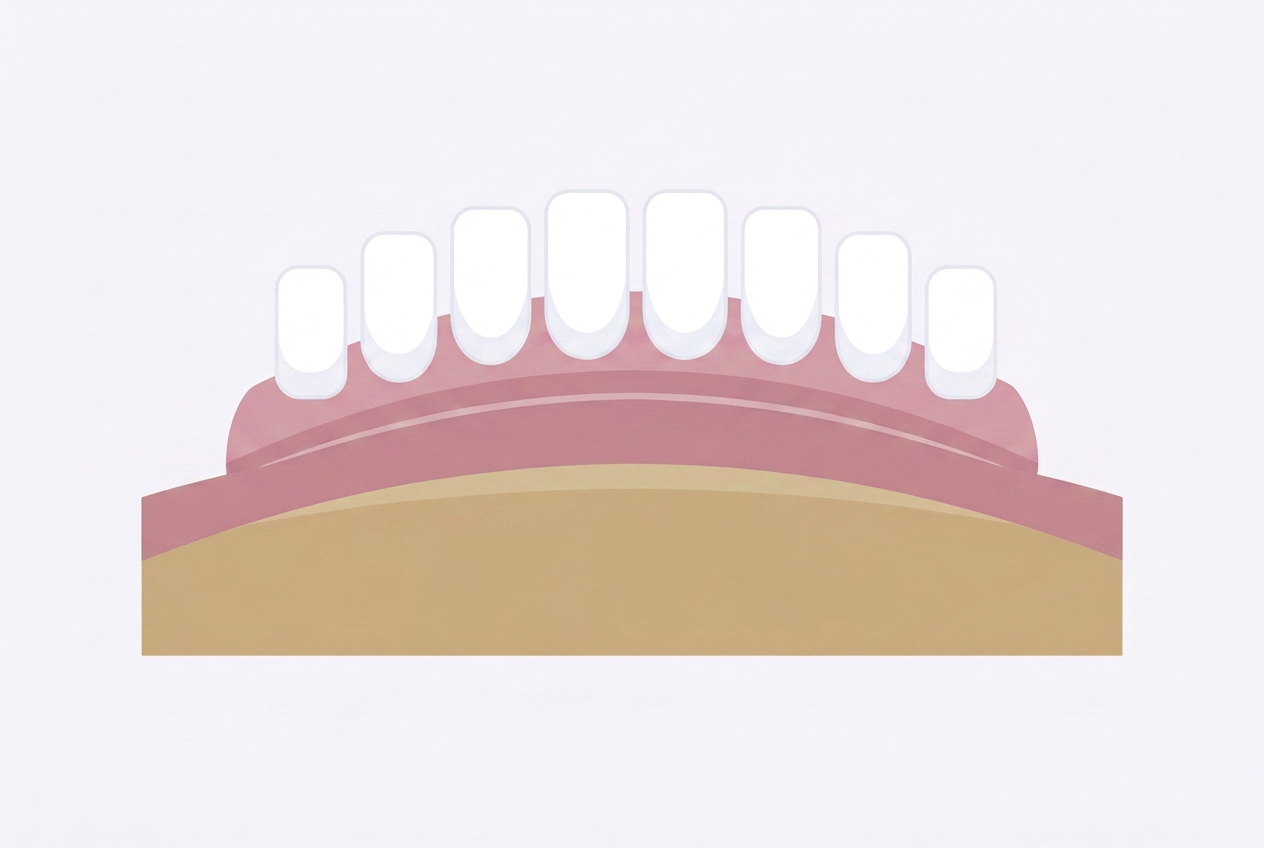
A palateless, or roofless, denture curves around the upper gums like a horseshoe. The center is open, so it does not blanket the roof of the mouth. The name describes its shape, not how well it will stay put. That depends on what holds it: implants, natural teeth, or, in a smaller group of cases, suction.
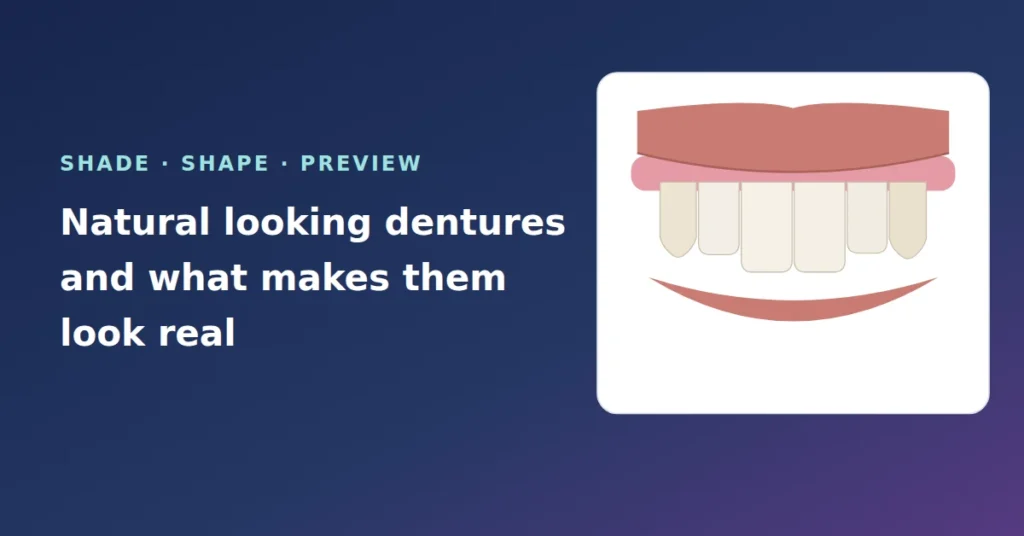
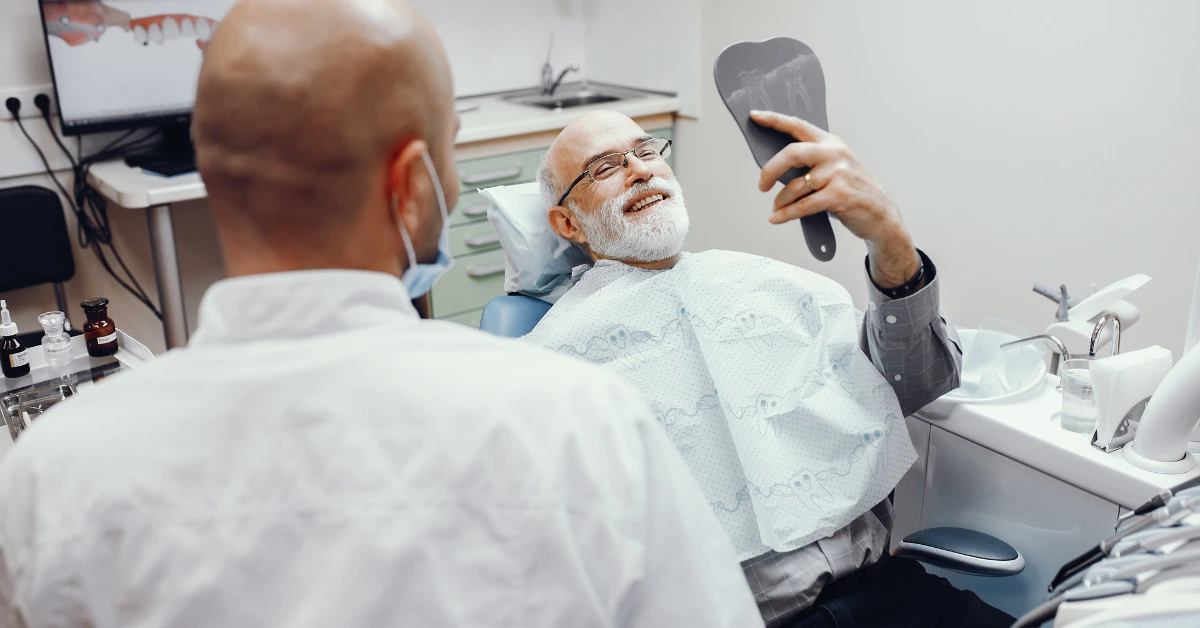
Custom dentures begin with the patient’s mouth, bite, and smile. Those records guide the base, tooth position, and fit. This is not only cosmetic work. The teeth must meet evenly, sit quietly during a bite, and look at home in the face. The color and translucency of today’s dentures help, but function still comes first.
What Are Palateless Dentures Really?
These are upper dentures made without the broad acrylic plate found on a conventional full denture. When every upper tooth is gone, implants usually supply the most dependable hold. A reduced-palate suction denture can work for certain anatomy. If sound teeth remain, a horseshoe-shaped partial may take support from them.
The visual difference is easy to spot. A traditional upper denture stretches across the palate, an area involved in sensing temperature and texture. A palateless version follows the dental arch in a U shape and leaves the middle open.
Roofless Dentures vs. Palateless Dentures: Same Thing?
Usually. Patients use roofless, palateless, plateless, no-palate, horseshoe, and U-shaped for the same open-center idea. The words alone do not tell us whether the denture will behave well. For that, ask what keeps it from lifting: implants, natural teeth, a fixed connection, or a suction seal.
Five versions come up most often in our consultations:
- Implant-supported palateless dentures, which the patient removes and snaps back onto implants
- Snap-on palateless dentures, the everyday term for a removable implant overdenture
- Fixed full-arch teeth: an implant bridge removed only by a dental professional
- Horseshoe suction dentures: uncommon full dentures for favorable anatomy, with less dependable retention
- Palateless partial dentures: U-shaped appliances held by natural teeth or attachments
Palateless Denture Options Compared
| Feature | Conventional Full Upper Denture | Implant-Retained Palateless (Horseshoe) | Fixed Full-Arch (Hybridge) | Palateless Partial |
|---|---|---|---|---|
| Palate coverage | Full coverage | Little to none | None | Usually none or minimal |
| How it stays in | Suction, border seal, muscle control, sometimes adhesive | Snaps onto implant attachments or a bar | Screwed to multiple implants | Clasps or precision attachments on remaining teeth |
| Taste impact | May reduce temperature and texture sensation | Palate remains exposed | Palate remains exposed | Palate usually remains exposed |
| Chewing force | Lowest of these options; movement varies | Stronger and more stable than a conventional denture | Closest to fixed teeth among these options | Varies with remaining teeth and support |
| Removable? | Yes, by the patient | Yes, by the patient | No; clinician removal only | Yes, by the patient |
| Bone preservation | No implant stimulation of the jaw | Bone is supported near each implant | Bone is supported at the implant positions | Toothless areas keep changing unless implants are present |
| Cost range | $1,500–$3,000 | $10,000–$30,000+ | $20,000–$35,000+ per arch | $1,500–$4,000 |
| Lifespan | Roughly 5–8 years before replacement or major reline | Roughly 7–10 years for the denture; implants may last far longer | Often 10–15+ years for the prosthesis, with service along the way | Roughly 5–8 years, depending on the supporting teeth |
Why Patients Consider Palateless Dentures
Appearance is only one reason people ask about the open design. Some are chasing a clearer sense of food. Others want less material near a sensitive gag reflex. For a patient whose upper plate wanders during lunch, the implant attachments may be the more noticeable change.
Taste and Food Sensation Feel More Natural
Remove the center plate and the tongue can meet the palate again. Warmth, coolness, and texture are no longer filtered through acrylic. Taste buds sit mainly on the tongue, so a full palate does not erase taste. People may still describe dinner as muted because flavor is built from more than taste buds alone.
Comfort That Actually Lasts
Less acrylic often feels less intrusive. The tongue has room to meet the roof of the mouth, and people with a sensitive gag reflex may find the shorter base easier to tolerate. Comfort still depends on the fit and bite; removing material alone will not cure a poorly fitting denture.
Speech Clarity Improves
New teeth sound new at first. The tongue has to learn their position and the changed bite. Leaving the middle open means it does not also have to negotiate a wide sheet of acrylic across the palate.
Better Stability and Chewing Power
The connectors on the denture engage something solid: the implants. Side-to-side chewing is then less likely to rock or unseat the teeth. According to the FDA, implants can restore chewing ability and help limit jawbone shrinkage. The same guidance is candid about risk and maintenance.
Less Worry About Slipping
When the attachments are engaged, a bite or a sentence is less likely to dislodge the denture. Cleaning and periodic service do not go away. The nagging need to check whether the plate moved often does.
Can You Eat Normally With Palateless Dentures?
An implant-retained palateless denture generally handles more foods than a loose conventional upper denture. Its attachments oppose lift and sideways drift, so each bite is easier to control. A fixed full-arch bridge sits at the stronger end of the range. A horseshoe denture held only by suction sits at the other.
Diet is deliberately boring right after implant surgery. Follow the surgeon’s instructions and begin with liquids or food that needs almost no chewing. Eggs, flaky fish, pasta, cooked vegetables, and tender ground meat can return as healing permits. Nuts, hard crusts, raw carrots, sticky candy, and tough steak must wait for a clinical check.
A full-palate denture does not cover the tongue’s taste buds. It can still block temperature, texture, and other oral cues that combine with smell to create flavor. A review indexed by the National Library of Medicine discusses those changes in temperature and texture perception. In a separate clinical study of palatal coverage, opening part of the palate improved oral perception while retaining useful stability.
How Palateless Dentures Stay in Place
I do not recommend cutting away the palate until we know what will replace the lost suction. A conventional upper denture uses that broad surface area to help form its seal. When every upper tooth is missing, implants offer the most dependable substitute. Without them, a full horseshoe denture may lift or rock and its success leans heavily on anatomy.
The Implant Requirement
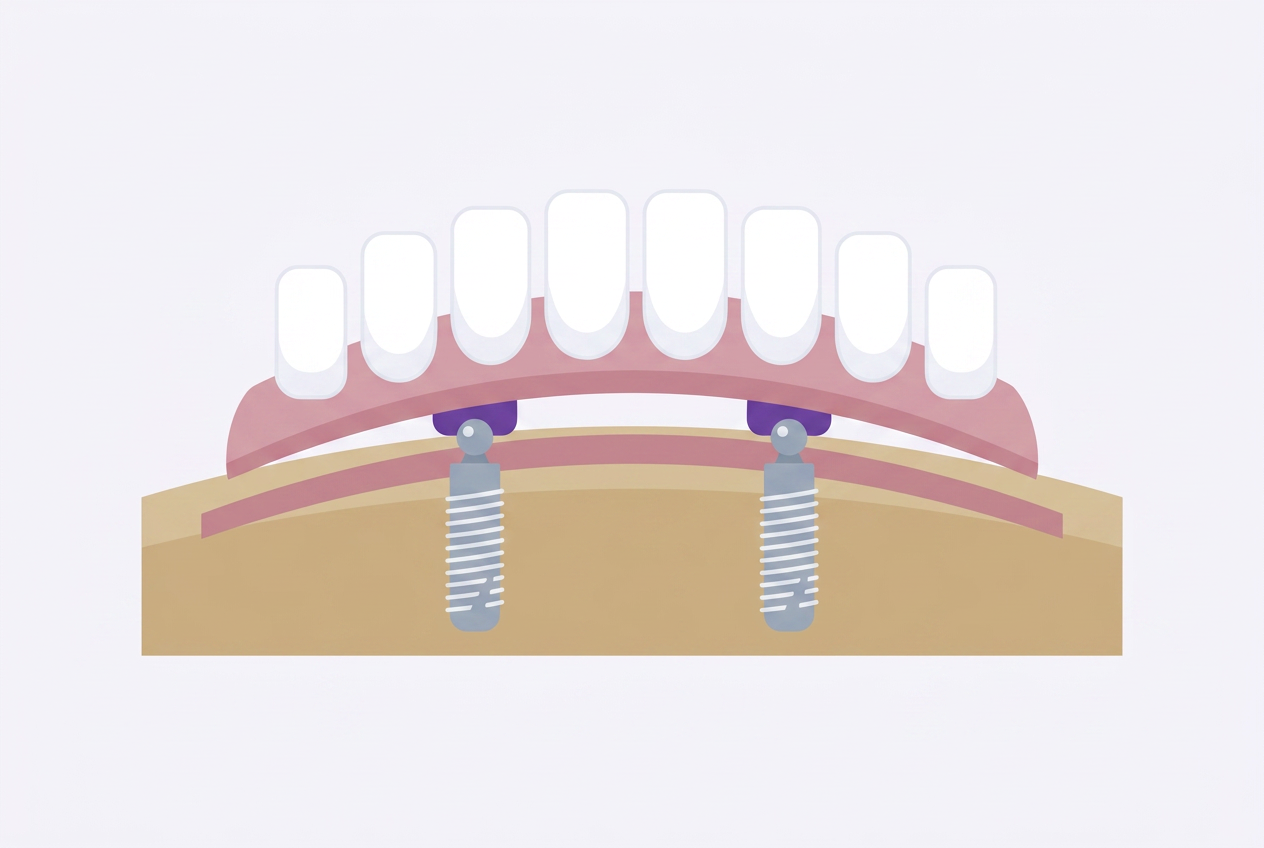
Four implants are common for a complete palateless upper denture, though there is no universal count. Bone volume, bite force, implant dimensions, and attachment design all affect placement. Some dentures snap onto individual locators; others engage a bar that joins the implants. Two implants can suit selected cases, but the upper jaw often calls for support spread across a wider area.
Quality Matters
Most use an acrylic base and denture teeth, but that description hides meaningful differences. Tooth quality, reinforcement, framework design, and laboratory work all count. A slim horseshoe flexes differently from a full-palate base. Its framework and bite must account for those forces.
The Bone Loss Factor
Each implant carries chewing force into the jaw. That helps maintain the bone beside it, but it does not stop every future change. Spacing counts. So do smoking, uncontrolled diabetes, clenching, and daily cleaning. A small number of implants should not be asked to shoulder a poorly distributed load.
Palateless Dentures Without Implants: What’s Actually Possible
There are non-implant versions, but they do not provide the same hold in every mouth. Start with three facts: whether all upper teeth are missing, what ridge and saliva are available for suction, and whether sound teeth remain. Those details separate a possible no-implant design from one that is likely to move.
Suction Denture With Reduced Palate Coverage
A suction denture relies on contact among its base, borders, saliva film, and soft tissue. Cutting the base into a horseshoe reduces the area available for that seal. A broad ridge, firm tissue, favorable saliva, and a manageable bite may permit a reduced-palate design. Even then, some palatal coverage may be needed, and the result is less predictable than implant retention.
Horseshoe Partial Denture
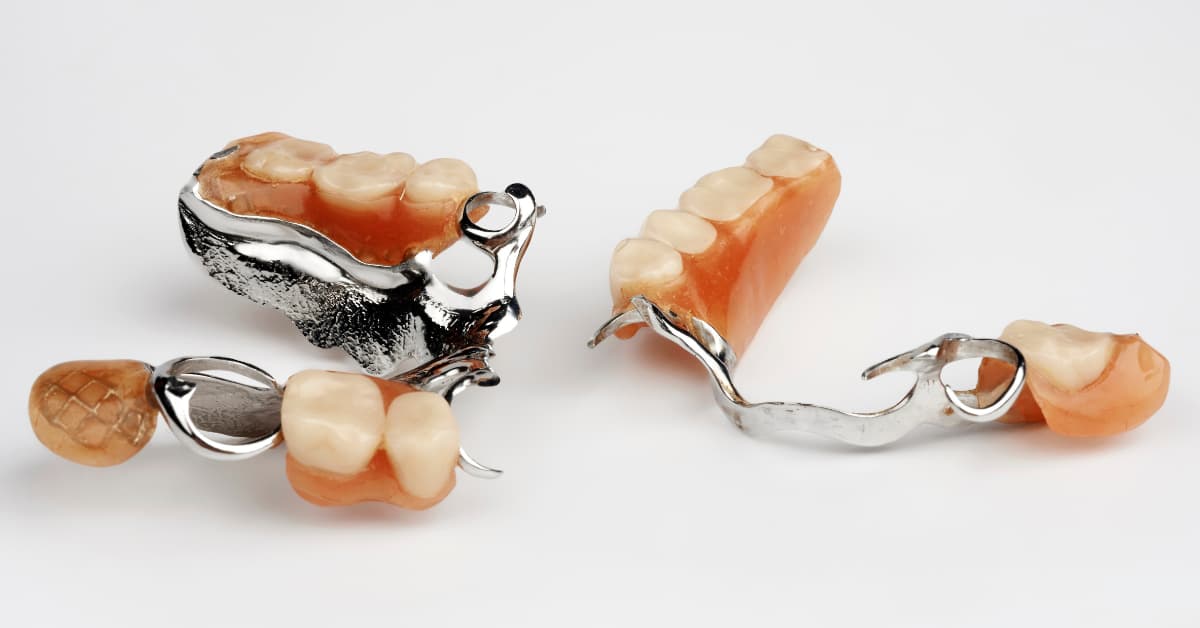
Sound upper teeth change the equation. Clasps, rests, or precision attachments can help support a palateless partial denture. Its metal or acrylic framework follows the arch rather than spanning the whole roof of the mouth. A partial differs from a full denture because natural teeth help carry the load and resist movement.
When Adhesive Is Not a Long-Term Plan
Adhesive can help a well-fitting denture. It cannot repair a bad fit or permanently replace the suction area that was removed. Repeated lifting, sore spots, or steadily rising adhesive use calls for an examination. The fix might be a reline, a different base, preservation of useful teeth, or implants.
Who May Qualify for Palateless Dentures?
A strong gag reflex is a common reason to ask about going roofless. Difficulty adapting to a full palate is another. Neither one settles candidacy. The examination still has to account for oral disease, available bone, the source of support, and whether the patient can clean the result.
Ideal candidates often have:
- All or most upper teeth missing
- Enough bone at the intended implant sites, or openness to grafting
- Healthy gums and controlled oral disease
- Realistic expectations for healing, upkeep, and chewing
- Willingness to clean the prosthesis every day and return for checkups
The plan may need to change when the examination finds:
- Too little bone, with no plan for bone grafting or a different implant position
- Active gum disease, uncontrolled diabetes, heavy smoking, or another concern for healing
- Clenching or grinding that has not been addressed
- No workable routine for cleaning a removable overdenture or fixed bridge
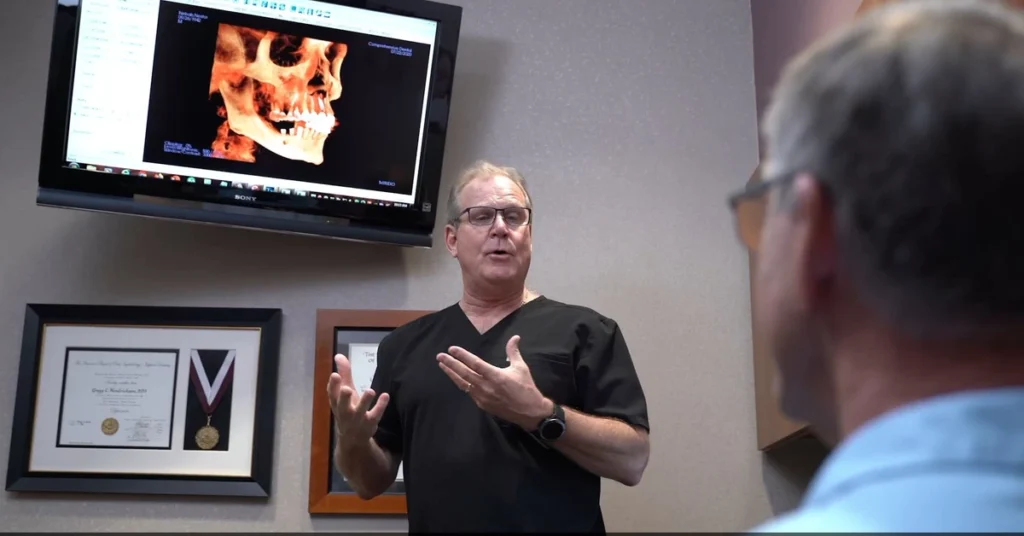
General health and healing capacity matter, and the FDA specifically calls out smoking. Then there are the measurements inside the mouth. A 3D CBCT scan shows the upper-jaw bone and the floor of the sinuses. A visual examination cannot reveal either one with that precision.
The Palateless Denture Process: What to Expect
The Planning Visit
Planning starts with the mouth, not a product name. We examine the tissues and bite, take photographs, and capture impressions or digital scans. The 3D image adds the bone and sinus measurements. Only then can removable palateless teeth, a fixed arch, and a partial be compared on equal footing.
Implant Placement
Next, the dental implants are positioned in the jaw. The procedure may be completed with sedation when appropriate. Extractions, grafting, and sinus work do not follow one schedule for everyone. They may precede implant placement or share the same surgical visit.
Healing Period
Implants commonly need three to four months to integrate with the jaw. Grafting and personal health factors can lengthen that interval. Most patients have temporary teeth during healing, paired with cautious instructions about diet and loading.
Final Placement
Once integration is confirmed, final records capture the bite and smile line. Speech and access for cleaning are checked as well. A removable denture is fitted to its locators or bar and tested for an even snap. Fixed teeth are secured by the clinician. Follow-up visits handle pressure spots and small bite corrections.
How Much Do Palateless Dentures Cost?
Local fees vary with the work involved. Around Las Vegas and Henderson, a removable palateless denture without implants may run about $1,500–$3,000, though it suits only selected mouths. A snap-in upper arch with implants often totals $10,000–$30,000+. Fixed full-arch treatment is commonly $20,000–$35,000+ per arch. A written estimate should show the parts, not just the total.
Placing Each Implant: About $2,000–$4,500
Do not assume this is the price of a screw in a box. The line often includes the surgical plan, fixture, placement visit, and follow-up. Four implants make it a substantial part of the total. Guided surgery, awkward angles, or a staged procedure may move the number.
Locator or Bar Attachments: About $500–$1,500 Per Implant Position
Locators use an abutment, a metal housing, and a replaceable nylon insert. A custom-milled bar is another way to connect denture and implants. It tends to cost more, and it handles forces differently. Check whether the estimate includes both the abutments and the matching pieces inside the denture.
The Palateless Denture: About $2,500–$6,000
The prosthesis has its own fee. It accounts for the teeth and base, reinforcement when needed, laboratory work, trial fittings, and delivery. Premium teeth, a cast or milled framework, or a bar overdenture can raise it. A thin horseshoe needs the right bite and support; the cheapest version is poor value if either is missing.
Extractions: About $200–$800 Per Tooth
A simple removal is usually near the low end. Surgical removal, infection, or difficult roots increase the fee. Some full-arch plans bundle extractions instead of pricing each tooth. Sedation and temporary teeth may be listed separately.
Bone Grafting or Sinus Lift: About $500–$7,000+
A small graft placed around an implant may add hundreds to a few thousand dollars. A ridge graft or sinus lift is different work and may add roughly $3,000–$7,000 or more. It requires its own access, material, imaging, and healing period. Plenty of upper-arch cases proceed without it.
Annual Upkeep: About $300–$1,200
Set aside money each year for checkups and cleaning. The bite may need a small correction, and a repair sometimes crops up. Locator inserts are wear items. Later, a removable overdenture may need a reline or new base. Fixed teeth have a different service list that includes their screws and other prosthetic parts.
Use these numbers for planning, not as a quote or an insurance promise. The anatomy and scope of treatment can move the final total. An examination and CBCT scan are needed before an itemized estimate can be reliable.
Frequently Asked Questions About Palateless Dentures
How do palateless dentures stay in?
A complete palateless denture usually clicks onto implants through locator attachments or a bar. Those connections replace much of the suction lost when the palate is uncovered. A partial can lean on remaining teeth instead. Suction alone works for a smaller group with favorable ridges, tissue, saliva, and bite.
A removable version should engage firmly, yet release for cleaning. If its snap fades, worn nylon inserts may be the cause and can often be replaced.
How much does a palateless denture cost?
A non-implant palateless denture may run $1,500–$3,000. Add implant retention and the upper overdenture often reaches $10,000–$30,000+. Fixed full-arch treatment commonly falls around $20,000–$35,000+ per arch. The final figure reflects the implants, connections, extractions, grafting, sedation, and temporary teeth actually used.
A useful estimate does not hide everything in one total. Look for separate lines for surgery, connectors, temporary work, final teeth, and follow-up care.
Are palateless dentures any good?
They can work very well for a person troubled by gagging, a loose upper plate, or muffled food sensation. Their performance depends on retention. A horseshoe denture secured by implants can feel steady and comfortable; a full roofless denture with no implants or supporting teeth is more likely to move.
Some people still choose a conventional upper denture for its simpler treatment and lower price. Others prefer fixed teeth. The best design is the one the mouth can support.
Can you eat with palateless dentures?
Yes. Eating returns in stages after healing and bite adjustments. Implant connectors resist the lift and drift seen with a loose conventional denture; fixed full-arch teeth are usually firmer still. Begin with food that cuts easily with a fork, use small bites, and add tougher textures after clearance.
Leave nuts, raw carrots, sticky candy, hard crust, and tough meat off the early menu. The dentist will say when the implants and final teeth are ready.
Can you wear palateless dentures without implants?
Yes, in selected cases. Healthy upper teeth may hold a palateless partial denture. A patient with no upper teeth might qualify for a reduced-palate suction denture if the ridge, tissue, saliva, and bite are favorable. A full horseshoe denture without either teeth or implants is usually less stable.
Denture adhesive may assist a sound fit. It cannot replace all the sealing surface removed with broad palate coverage.
Can you have top dentures without the palate?
Yes, provided something else supplies the hold. It may come from implants, sound upper teeth, or favorable suction anatomy. A removable version can snap on and off implants. Fixed full-arch teeth keep the roof open too, but they form a bridge that only the clinician removes.
Before choosing, the dentist studies the bone, lips, smile line, gag reflex, home-care ability, and cost. Each can rule a design in or out.
Can you get upper dentures without the palate?
Upper no-palate choices include an implant-retained horseshoe denture, a selected suction denture, and a palateless partial denture. The number of teeth left and the available source of retention determine which option is realistic. Simply trimming a full denture into a U shape can leave it unstable.
An examination and 3D scan let the dentist compare implant support, natural-tooth support, and the honest limits of a non-implant design.
Are palateless dentures as stable as traditional dentures?
That depends on the retainer. Connect a palateless denture to well-positioned implants and it will often resist lift and sliding better than a conventional upper plate. Remove the palate without implants or sound teeth and the hold usually gets worse. Shape by itself does not create stability.
Do not dismiss the conventional option, either. A suitable ridge and saliva can give a well-made full upper denture a solid seal.
Will I need frequent adjustments?
Plan on a handful of early visits. The gums settle, the bite reveals small high spots, and the snap may need tuning. Once comfortable, appointments usually spread out. They still matter because locator inserts wear, jaws change, and small areas of tooth or base wear can be easy to miss.
The implants may remain healthy long after the removable part needs a reline, new insert, repair, or replacement base.
What if I have a loose palateless denture?
Take it out if seating it requires force, then call the office. Worn inserts are a common cause, but a damaged housing, tissue change, uneven bite, or implant problem can feel similar. Sudden looseness with pain, swelling, bleeding, or a moving implant part needs prompt attention.
The fix may be as small as a new insert or bite adjustment. An examination keeps adhesive from masking a damaged fit or implant concern.
Choosing a Design That Fits Your Mouth
People arrive at this option for different reasons. One cannot tolerate acrylic near a gag reflex; another is tired of an upper plate that drifts; a third misses the feel of food against the palate. Any proposed fix must be supportable, affordable, cleanable, and serviceable. A roofless full denture also needs a clear answer to the question of retention.
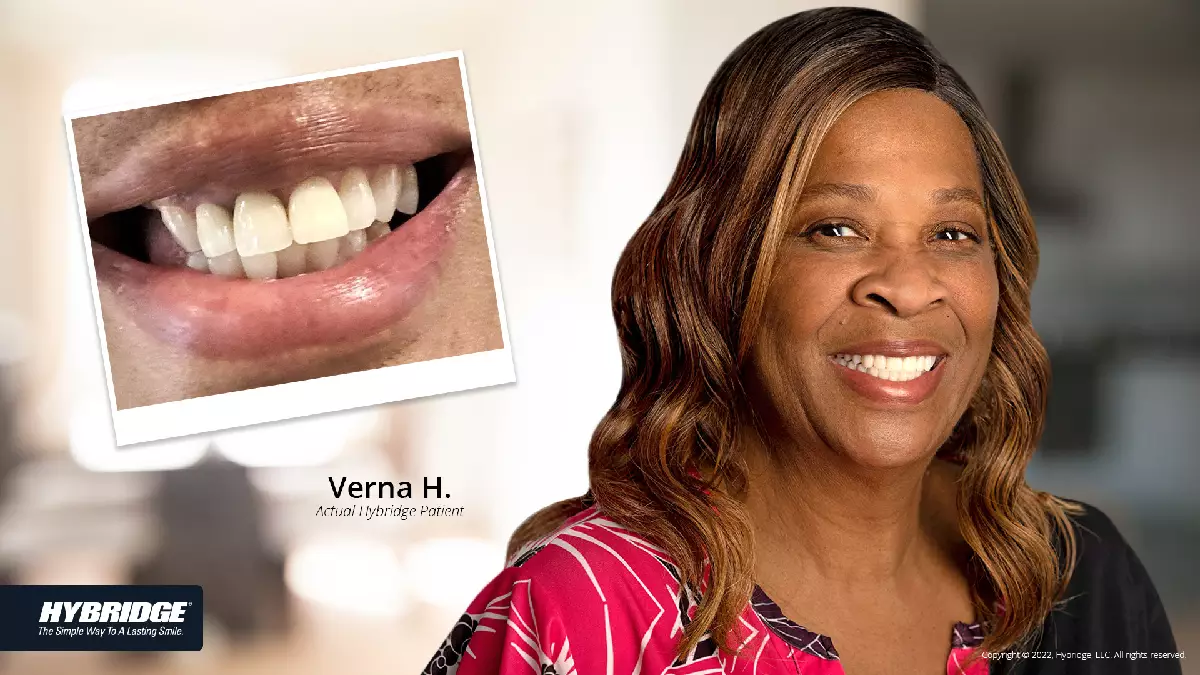
Removable implant dentures and fixed teeth solve different problems. One comes out for daily cleaning; the other is removed only by a clinician. The Hybridge full-arch restoration guide walks through the upkeep for a permanently attached implant bridge.
Success looks fairly ordinary: lunch without chasing a moving plate, clear speech, and a smile that is not preceded by a fit check. A palateless denture can reach that point when the mouth and retention plan are a good match.
To see which route your anatomy permits, book a visit at Comprehensive Dental Implant Center. The examination and scan give us something concrete to compare with removable, fixed, and non-implant designs.
Dr. Gregg Hendrickson founded Comprehensive Dental Implant Center in Nevada. His practice focuses on full-mouth dental implants and prosthetic dentistry. He has treated thousands of patients during more than 20 years in practice.